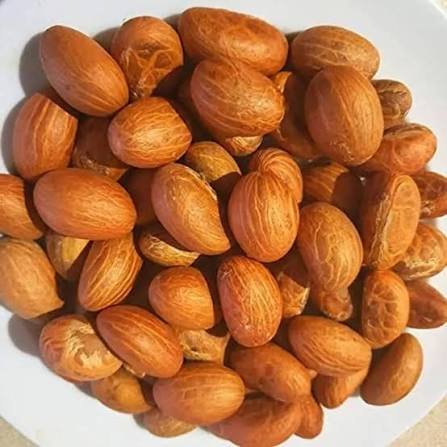
Introduction: A Bitter Seed with a Sweet Reputation
The health benefits of Bitter Kola are numerous. Bite into a bitter kola seed, and your face will tell the story. The taste is sharp, astringent, and slightly peppery. Then, slowly, a gentle sweetness blooms on the tongue.
For generations, families across West and Central Africa have prized this seed. Grandmothers press it into the hands of children with sore throats. Elders chew it to stay alert. Hosts offer it to guests as a mark of respect.
Is the praise deserved? Partly, yes. Science has begun to confirm some of the traditional claims. Other claims remain unproven. This article walks through both sides, so you can appreciate bitter kola without being misled.
What Is Bitter Kola?
Botanical Identity and Origin
The health benefits of bitter kola are many. Bitter kola comes from Garcinia kola, an evergreen tree that thrives in the humid rainforests of West and Central Africa. The tree can reach heights of up to 30 meters. It bears fleshy, orange-yellow fruits, each containing several seeds wrapped in a thin skin. Those seeds are the bitter kola nuts that people eat and trade.
The species belongs to the mangosteen family. That family is known for producing compounds that are rich in plant pigments and protective chemicals.
Names Across West Africa
The seed travels under many names. Yoruba speakers call it orogbo. Igbo speakers say akuilu. In Hausa, it is namijin goro, which means “male kola.” Each name reflects how deeply the seed is woven into local life.
Do not confuse it with the common kola nut, Cola nitida, or Cola acuminata. That cousin is famous for its caffeine content. Bitter kola delivers a very different, much milder effect.
A Heritage of Healing
Traditional Uses
The health benefits of bitter kola also involve traditional use. Traditional healers have long reached for bitter kola. It is chewed to ease coughs, hoarseness, and sore throats. Some people take it to settle the stomach after a heavy meal. Others use it as a remedy for hangovers or to fend off tiredness during long working days.
Even the tree’s other parts have found a place in the medicine chest. Twigs are shaped into chewing sticks that help clean the teeth and freshen the breath. The bark and roots feature in local tonics and poultices.
Cultural and Social Significance
Bitter kola is more than medicine. In many communities, it is a token of hospitality, friendship, and long life. A well-known Yoruba saying links eating the seed with living to a ripe age. Offering it to a visitor says, in effect, “You are welcome here, and may you thrive.”
This cultural weight matters. It explains why the seed has stayed in daily use for centuries, long before laboratories began to study it.
What Lies Inside the Seed of Bitter Kola
Kolaviron and Biflavonoids
The most studied component of bitter kola is kolaviron. It is a complex of biflavonoids, which are plant compounds built from paired flavonoid units. Researchers have isolated it from the seed and tested it extensively in cells and animals.
Kolaviron behaves as a potent antioxidant. Antioxidants neutralize unstable molecules called free radicals. Free radicals can damage cells and are linked to aging and chronic disease.
Other Bioactive Compounds
The seed also holds other useful substances. These include tannins, saponins, phenolic acids, alkaloids, and small amounts of essential oils. Together, they give bitter kola its sharp flavor and much of its biological activity.
Each compound may play a distinct part. Yet scientists still debate how they interact inside the body. The full picture is not yet clear.
Reported Health Benefits of Bitter Kola
Respiratory and Throat Comfort
Chewing bitter kola is a time-honored response to coughs and colds. Laboratory work suggests that extracts may have bronchodilator and anti-inflammatory properties. That would help explain why many people feel relief in the throat and chest.
Relief is not the same as a cure, of course. A lingering cough deserves a proper medical check.
Antioxidant and Liver-Protective Potential
Here the research is most encouraging. In animal studies, kolaviron has shielded liver tissue from damage caused by toxic chemicals and certain drugs. This property is called hepatoprotection.
The same antioxidant action may also guard other organs. Still, these results come mainly from rats and mice. They are promising signals, not final answers.
Digestive Support
Many people chew a seed after meals to ease bloating and discomfort. The bitterness is thought to stimulate digestive secretions. Some animal experiments also hint at a protective effect on the stomach lining.
The evidence here is thin. Treat it as a tradition with early scientific curiosity attached.
Antimicrobial and Immune Activity
Extracts from the seed have slowed the growth of several bacteria and fungi in test-tube studies. A few laboratory reports have even explored activity against certain viruses. These findings help explain the old habit of using the seed against infections.
However, a result in a petri dish does not guarantee the same result in a human body. Bitter kola should never replace prescribed treatment for a serious infection.
Separating Evidence from Folklore
What Laboratory Studies Show
The laboratory picture is lively. Cell and animal studies point to antioxidant, anti-inflammatory, antimicrobial, and organ-protective effects. Some work has also looked at blood sugar and cholesterol, with intriguing early signals.
This body of research gives traditional use a credible footing. It shows that the seed is not mere superstition.
Where Human Research Falls Short
The gap lies in human trials. Well-designed clinical studies on bitter kola remain scarce. Doses used in animal experiments are often hard to translate into a handful of seeds. Product quality varies, too, and so does the strength of homemade preparations.
Wild claims about curing diabetes, cancer, or viral diseases are therefore unfounded. Be wary of any seller who makes them. Honest enthusiasm is fine. Exaggeration is not.
How People Use Bitter Kola
Raw Seeds
The simplest method is the oldest. Peel away the skin, then chew a small piece slowly. Most people eat one or two seeds in a day. The flavor is fierce at first, so start with a small portion.
Infusions, Tinctures, and Powders
Modern users have found other routes. Some soak sliced seeds in water or herbal gin for several days. Others grind dried seeds into powder and stir it into warm drinks. Capsules and extracts are also sold in markets and online.
These forms vary widely in strength. Choose reputable sources, read labels with care, and keep homemade tinctures clearly marked and out of reach of children.
Safety, Side Effects, and Sensible Limits of Bitter Kola
Who Should Be Careful
Natural does not mean harmless. Eating large amounts can cause stomach upset, nausea, or a restless, jittery feeling. Some people report headaches or an irritated mouth.
Extra caution applies to pregnant and breastfeeding women, young children, and anyone with a chronic illness. People who take regular medication should be especially careful. Plant compounds can interact with drugs, and the effects on blood pressure and blood sugar deserve respect.
Moderation and Medical Guidance
A small amount, eaten occasionally, is the traditional pattern. It is also the wisest one. If you live with a health condition, speak with a doctor or pharmacist before making bitter kola a daily habit.
Sustainability matters, too. Wild Garcinia kola trees face pressure from deforestation. Buying from responsible sources helps protect the forests that give us this seed.
Conclusion: Respecting a Remarkable Seed
Bitter kola earns its place in the story of African traditional medicine. Its sharp taste carries centuries of knowledge, and modern research has begun to uncover real biological activity behind the old remedies. The antioxidant strength of kolaviron, in particular, deserves continued study.