








1. Introduction to Poor Digestion
Signs of Poor Digestion: your digestive system plays an important role in keeping your body healthy. Every day, it breaks down the food you eat and turns it into nutrients. These nutrients provide energy, support growth, and help repair body tissues.
However, digestion does not always work smoothly. Sometimes, you may feel bloated after eating. You may also experience stomach pain, excessive gas, constipation, or frequent diarrhoea.
These problems can affect your comfort and daily activities. They may also be signs that something is wrong with your digestive system.
Knowing the signs of poor digestion can help you recognise possible problems early. It also helps you understand when simple lifestyle changes may help and when medical attention is needed.
2. What Is Poor Digestion?
Signs of Poor Digestion, Poor digestion happens when your digestive system struggles to break down food, absorb nutrients, or move waste through the intestines properly.
The digestive process starts in the mouth. Food passes through the oesophagus into the stomach, where digestive juices help break it down. It then moves into the small intestine, where most nutrients are absorbed.
The remaining waste travels into the large intestine before leaving the body through bowel movements.
When any part of this process is affected, digestive discomfort may occur.
Poor digestion is not a disease on its own. It can be linked to different conditions, eating habits, infections, and lifestyle factors.
3. 10 Common Signs of Poor Digestion
The digestive system can show different warning signs when it is not working properly. Some symptoms may occur after eating certain foods. Others may happen more often and require medical attention.
Here are ten common signs to watch out for.
1. Frequent Bloating
Bloating is one of the most common signs of poor digestion. It happens when your stomach feels full, tight, or swollen.
You may notice that your belly looks bigger than usual after eating. Some people also feel pressure around their abdomen.
Bloating can happen when gas builds up in the digestive tract. Eating too quickly, drinking fizzy drinks, constipation, and food intolerance can also cause it.
Occasional bloating is common. However, frequent or painful bloating should not be ignored.
2. Excessive Gas
Passing gas is a normal part of digestion. It happens when bacteria in the large intestine break down food.
However, too much gas can cause discomfort. You may experience frequent burping, flatulence, or a swollen stomach.
Some foods, such as beans, cabbage, onions, and certain dairy products, can increase gas production. This is because some carbohydrates are harder for the small intestine to digest.
Eating slowly and chewing food well may help reduce excess gas. You can also observe which foods trigger your symptoms.
3. Constipation
Constipation occurs when bowel movements become difficult or less frequent than usual.
You may pass hard, dry stools. Signs of Poor Digestion, You may also strain when using the toilet or feel that your bowel has not emptied completely.
Low fibre intake, inadequate water intake, lack of physical activity, and some medicines can contribute to constipation.
Regular bowel movements help remove waste from the body. Eating fibre-rich foods, drinking enough water, and staying active may help improve bowel habits.
If constipation lasts for a long time or comes with severe pain or blood in the stool, seek medical advice.
4. Diarrhoea

Diarrhoea occurs when you pass loose or watery stools more often than usual.
It may happen after eating contaminated food or drinking unsafe water. Viral and bacterial infections can also cause it.
Some people experience diarrhoea after consuming foods they cannot tolerate. Certain medicines may also affect bowel movements.
Frequent diarrhoea can cause dehydration because the body loses water and important salts.
Drink enough fluids to replace lost water. Oral rehydration solution may also help. Seek medical care if diarrhoea is severe, persistent, or accompanied by blood, high fever, or signs of dehydration.
5. Stomach Pain and Cramps
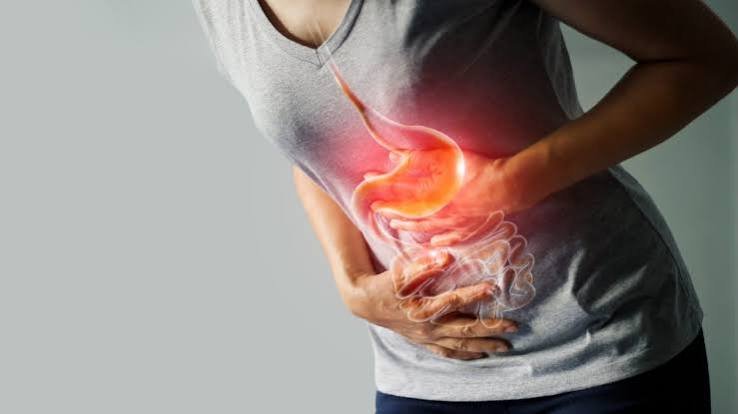
Stomach pain is another common Signs of Poor Digestion. It can occur when the digestive tract becomes irritated or does not function properly.
You may feel sharp pain, mild discomfort, or cramps around your abdomen. The pain may occur before or after eating.
Common causes include trapped gas, constipation, food intolerance, and stomach infections.
Some digestive conditions, such as irritable bowel syndrome (IBS), can also cause repeated abdominal pain.
Pay attention to where the pain occurs and how long it lasts. Severe, sudden, or persistent abdominal pain needs medical attention.
6. Heartburn and Acid Reflux
Another Signs of Poor Digestion. Heartburn a burning feeling in the chest. It often happens after eating or when lying down.
It occurs when stomach acid flows back into the oesophagus, the tube that carries food to the stomach.
You may notice a sour taste in your mouth. Some people also experience chest discomfort or a burning sensation in the throat.
Large meals, spicy foods, fatty foods, and lying down soon after eating may trigger symptoms.
Eating smaller meals and avoiding lying down for about three hours after eating may help. Frequent heartburn should be discussed with a healthcare professional.
7. Nausea After Eating

Signs of Poor Digestion, Nausea is the uncomfortable feeling that you may vomit. It can happen during or after meals.
Some people experience nausea after eating too much. Others may feel sick after consuming fatty foods or foods that do not agree with them.
Stomach infections, food poisoning, acid reflux, and certain medicines can also cause nausea.
If nausea happens regularly, it may be a sign of an underlying digestive problem.
Eat smaller meals and avoid foods that trigger discomfort. If nausea comes with repeated vomiting, severe pain, or dehydration, seek medical attention.
8. Feeling Full Quickly
Do you feel full after eating only a small amount of food?
This condition is known as early satiety. It can make it difficult to eat a normal meal.
Early satiety may occur with indigestion, stomach ulcers, or delayed stomach emptying. Some medicines can also contribute to it.
When this happens regularly, you may eat less than your body needs. Over time, this can lead to poor nutrition and unwanted weight loss.
Do not ignore signs of poor digestion persistent early fullness, especially when it comes with vomiting, abdominal pain, or weight loss. Speak with a doctor.
9. Changes in Appetite
Your appetite can change for many reasons. However, a sudden or persistent change may sometimes be linked to digestive problems.
You may lose interest in food because of nausea, bloating, stomach pain, or discomfort after meals.
Some digestive conditions can also affect how hungry you feel.
A poor appetite that lasts for several days or weeks can affect your nutritional intake. This may leave you feeling weak or tired.
If you notice unexplained appetite changes, especially with weight loss, consult a healthcare professional.
10. Undigested Food in Stool
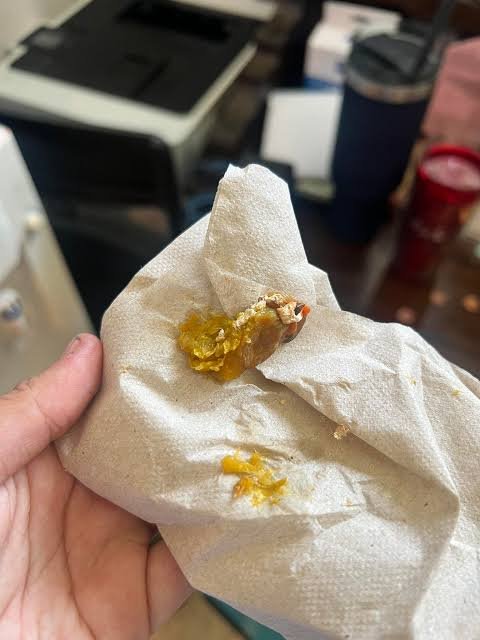
Signs of Poor Digestion, Sometimes you may notice small pieces of food in your stool. This can happen when you eat foods that contain tough fibre.
For example, corn skins, vegetable peels, and seeds may pass through the digestive tract without being fully broken down.
This is often normal. It does not always mean your body is failing to digest food.
However, frequent undigested food in stool, especially with diarrhoea, weight loss, or changes in bowel habits, may suggest a problem with digestion or nutrient absorption.
If you notice these symptoms regularly, speak with a doctor for proper evaluation.
4. Common Causes of Poor Digestion
Several factors can affect how well your digestive system works. Some are linked to daily habits, while others may involve medical conditions.
Here are some common causes:
- Low fibre intake: Not eating enough fruits, vegetables, and whole grains can contribute to constipation.
- Inadequate water intake: Not drinking enough water can make stools harder and more difficult to pass.
- Eating too quickly: Swallowing food without chewing properly can increase discomfort and bloating.
- Lack of physical activity: Limited movement may slow bowel activity.
- Stress and anxiety: Stress can affect the connection between the brain and the gut. This may change bowel movements and cause discomfort.
- Food intolerance: Some people have difficulty digesting lactose or other food components.
- Digestive infections: Certain bacteria, viruses, and parasites can cause stomach pain, vomiting, and diarrhoea.
- Certain medicines: Antibiotics, iron supplements, and some pain medicines can affect digestion.
Understanding the possible cause is important. It helps you choose the right approach instead of treating symptoms without knowing what is behind them.
5. How Poor Digestion Affects Your Overall Health
Your digestive system does more than process food. It also helps your body absorb nutrients needed for good health.
When digestion or nutrient absorption is affected for a long time, several problems may develop.
Nutrient deficiencies: Poor absorption can reduce the amount of vitamins and minerals your body receives.
Low energy: Inadequate nutrient intake may contribute to tiredness and weakness.
Unwanted weight changes: Ongoing digestive problems can affect appetite and how much food you eat.
Dehydration: Frequent diarrhoea and vomiting can cause the body to lose too much water.
Reduced quality of life: Repeated stomach discomfort can affect sleep, work, eating habits, and daily activities.
These effects do not happen to everyone with digestive symptoms. However, persistent problems deserve proper attention.
6. Natural Ways to Improve Digestion
You can support your digestive system through simple daily habits. Small changes in your routine can make a difference.
Here are some helpful practices:
Eat Slowly and Chew Your Food Properly
Avoid rushing through meals. Take time to chew your food well before swallowing. This helps break food into smaller pieces and makes it easier for digestive enzymes to work.
Drink Enough Water
Water helps soften stool and supports normal bowel movements. Drink water throughout the day, especially in hot weather or after physical activity.
Exercise Regularly
Walking, cycling, and other forms of physical activity can help keep your bowel movements regular. Even a short daily walk can be beneficial.
Manage Stress
Stress can affect gut movement and digestive comfort. Get enough rest, practise relaxation, and make time for activities that help you feel calm.
Maintain Regular Meal Times
Try to eat your meals at consistent times. Avoid skipping meals frequently or eating very large portions at once.
Get Enough Sleep
Good sleep supports overall health, including normal digestive function. Aim for a regular sleep routine and enough rest each night.
7. Foods That Support Healthy Digestion
Your food choices play an important role in digestive health. Some foods provide fibre, while others contain beneficial bacteria or substances that support gut function.
Consider adding these foods to your meals:
- Yoghurt: Some yoghurt contains live cultures that can support a healthy balance of gut bacteria.
- Oats: They contain soluble fibre, which helps support regular bowel movements.
- Bananas: They provide fibre that supports normal digestion.
- Papaya: It contains fibre and an enzyme called papain, which helps break down proteins.
- Vegetables: Carrots, spinach, and other vegetables provide fibre and important nutrients.
- Beans: They contain fibre that supports bowel regularity and feeds beneficial gut bacteria.
- Apples: They contain pectin, a type of soluble fibre that supports digestive health.
Increase fibre gradually to give your digestive system time to adjust. Also, drink enough water to support healthy bowel movements.
8. When Should You See a Doctor?
Occasional digestive discomfort is common. However, some symptoms may point to a more serious problem.
You should seek medical attention if you experience:
- Severe or persistent abdominal pain.
- Blood in your stool.
- Black, tarry stools.
- Frequent vomiting.
- Unexplained weight loss.
- Persistent diarrhoea or constipation.
- Difficulty swallowing.
- Ongoing bloating or changes in bowel habits.
Do not rely on home remedies when symptoms are severe or keep returning. A healthcare professional can examine you, identify the possible cause, and recommend appropriate treatment.
Early medical attention can help prevent complications.
9. Conclusion
Your digestive system plays an important role in your overall health. When it is not working properly, your body may show signs such as bloating, excessive gas, constipation, diarrhoea, and stomach pain.
Recognising the signs of poor digestion can help you take action before minor discomfort becomes a bigger concern.
Eat a balanced diet, drink enough water, exercise regularly, and maintain healthy eating habits. Pay attention to how your body responds to different foods.
Most importantly, do not ignore persistent digestive problems. Seek medical advice when symptoms are severe, unusual, or continue for a long time.
A healthy digestive system is an important part of a healthy life.