







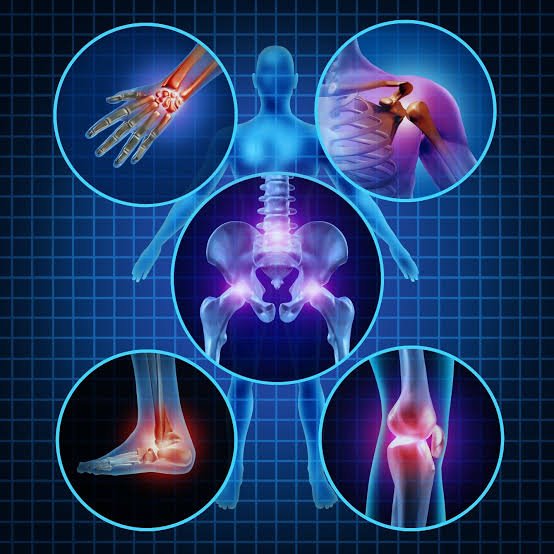

1. Understanding Arthritis and Body Pains
Natural Treatment of Arthritis & Body Pains. Have you ever woken up with pain in your knees, back, waist, or hands? Do you feel pain when walking, standing, or climbing stairs?
These problems are common. They can affect both young and older people.
One possible cause is arthritis.
Arthritis is a health condition that affects the joints. Joints are the places where two bones meet. They help us walk, bend, stretch, and move.
When the joints become swollen or damaged, movement may become painful.
There are many types of arthritis. Two common types are osteoarthritis and rheumatoid arthritis.
Osteoarthritis: This happens when the soft tissue that protects the ends of bones wears down. It often affects the knees, hips, hands, and back.
Rheumatoid arthritis: This happens when the body’s defense system attacks the joints by mistake. This can cause pain, swelling, and stiffness.
Body pains are not always caused by arthritis. They may come from muscle strain, poor sleep, infections, stress, or long hours of physical work.
Knowing the cause of the pain is important. It helps you choose the right treatment.
2. Common Causes of Arthritis and Body Pains
Several factors can cause joint and body pains. Some of them include:
Ageing
As we grow older, our bodies change. The joints may become less flexible. The muscles may also become weaker.
This can increase the risk of joint problems. However, joint pain is not a normal part of aging that should be ignored.
Inflammation
Inflammation is the body’s way of fighting injury and infection.
But when it lasts too long, it can cause health problems. In some types of arthritis, inflammation leads to swollen and painful joints.
Poor Nutrition
The body needs good food to stay healthy.
Vitamins, minerals, protein, and healthy fats help support the bones, muscles, and joints.
When the body lacks important nutrients, muscle weakness and poor bone health may occur.
Lack of Exercise
Sitting for too long can make the muscles weak and stiff.
Strong muscles help support the joints. Regular movement helps keep the body flexible.
Other Causes
Other causes may include:
- Previous joint injuries.
- Family history of arthritis.
- Some infections.
- Autoimmune diseases.
- Certain metabolic conditions.
3. Signs and Symptoms of Arthritis and Body Pains
Arthritis can affect people in different ways.
Some people feel mild pain. Others may have serious pain that makes daily work difficult.
Common signs include:
- Pain in the knees, hands, hips, or back.
- Stiffness after waking up.
- Swelling around the joints.
- Difficulty walking or climbing stairs.
- Pain when bending or stretching.
- Weak muscles.
- Reduced movement.
- Feeling tired.
For example, someone with knee arthritis may find it hard to climb stairs.
A person with rheumatoid arthritis may feel pain and stiffness in both hands.
Do not ignore pain that lasts for a long time or keeps getting worse.
4. The Role of Food in Joint Health
What we eat can affect our general health. Good food also helps the body maintain healthy bones and muscles.
No single food can cure arthritis. However, a balanced diet can support the body and help control some health risks.
Eat More Fruits and Vegetables
Fruits and vegetables provide vitamins, minerals, and antioxidants.
These nutrients help protect the body’s cells.
Some good choices include:
- Pawpaw: Provides vitamin C and other useful nutrients.
- Orange: Helps the body make collagen, which supports healthy tissues.
- Pineapple: Contains an enzyme called bromelain, which is being studied for its possible effect on inflammation.
- Watermelon: Provides water and plant nutrients.
- Carrot: Contains beta-carotene, which the body uses to make vitamin A.
- Tomatoes: Contain lycopene, a natural antioxidant.
- Ugu: Provides vitamins and minerals.
Try to eat different fruits and vegetables each day.
Eat Foods Rich in Healthy Fats
Healthy fats support normal body functions.
Good sources include:
- Sardines.
- Titus fish.
- Salmon.
- Walnuts.
- Flaxseeds.
- Chia seeds.
Some of these foods contain omega-3 fats. These fats may help reduce inflammation in some people.
Eat Foods That Support Strong Bones
Calcium and vitamin D help keep bones strong.
Good sources include milk, yogurt, small fish eaten with their bones, and some green vegetables.
Safe sunlight exposure also helps the body make vitamin D.
5. Natural Treatment of Arthritis & Body Pains
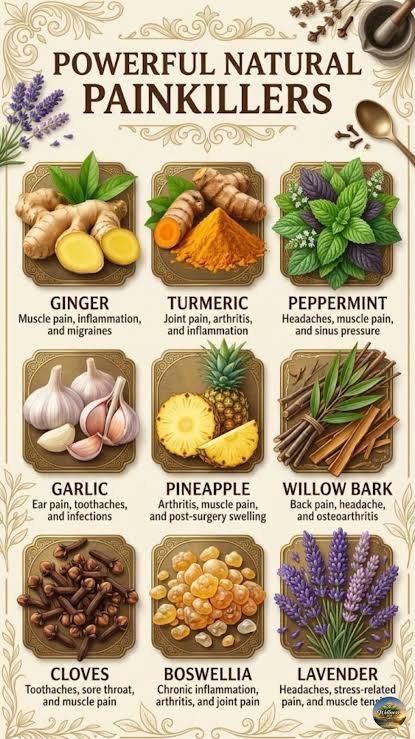
Natural remedies can support joint health. Some may also help reduce mild discomfort.
However, they are not cures for arthritis. They should not replace medical treatment.
Here are some common natural options.
Ginger
Natural Treatment of Arthritis & Body Pains. Ginger is a popular spice in Nigerian homes.
It contains natural compounds called gingerols. These compounds are being studied for their possible effects on inflammation.
You can add ginger to:
- Warm drinks.
- Soups.
- Stews.
- Smoothies.
- Regular meals.
Ginger may help some people with joint discomfort. However, the research is still limited.
Avoid taking large amounts of ginger supplements. They may cause stomach problems or interact with some medicines.
Turmeric
Natural Treatment of Arthritis & Body Pains. Turmeric is a yellow spice used in cooking.
It contains a natural compound called curcumin. This compound has been studied for its possible effect on inflammation.
You can add small amounts of turmeric to soups and meals.
Some studies suggest that turmeric supplements may help people with knee osteoarthritis. More research is still needed.
High doses may cause side effects. Always seek medical advice before using turmeric supplements.
Garlic
Garlic is another common ingredient in Nigerian cooking.
It contains natural plant compounds that are being studied for their health benefits.
You can add garlic to soups, stews, and vegetable dishes.
It is a useful part of a balanced diet. But it cannot cure arthritis or replace prescribed medicines.
Warm and Cold Compresses
This can help reduce discomfort.
Warm compress: A warm towel may help relax tight muscles and ease joint stiffness.
Cold compress: A cold pack wrapped in a towel may help reduce swelling and pain.
Never place ice directly on your skin. Avoid excessive heat or cold.
These methods provide temporary relief.
6. Lifestyle Changes That Support Healthy Joints
Healthy habits can help protect your joints and muscles.
Exercise Regularly
Gentle exercise helps keep the joints active and the muscles strong.
Some useful activities include:
- Walking.
- Swimming.
- Gentle cycling.
- Light stretching.
- Simple home exercises.
Start slowly. Do not force a painful joint.
If you have severe joint pain, speak with a physiotherapist about suitable exercises.
Get Enough Sleep
Sleep helps the body rest and recover.
Poor sleep can make pain feel worse. Try to sleep at regular times and make your bedroom comfortable.
Eat Balanced Meals
Eat a variety of foods each day.
Include fruits, vegetables, beans, fish, eggs, and whole grains.
These foods provide nutrients that support healthy bones and muscles.
Reduce Stress
Stress can affect sleep and increase muscle tension.
You can manage stress through prayer, deep breathing, meditation, light exercise, and relaxation.
7. Simple Ways to Reduce Everyday Body Pains
Not every body pain is caused by arthritis.
Some pains come from heavy work, long hours of sitting, poor posture, or muscle strain.
Try these simple habits:
Stretch your body: Gentle stretching can reduce muscle tightness. Avoid sudden movements.
Take short walks: Walking helps the body stay active.
Drink enough water: Water helps the muscles and other body systems work well.
Maintain good posture: Sit and stand in a way that does not put too much pressure on your back and neck.
Take breaks: If you sit for many hours, stand up and move around from time to time.
Try gentle massage: A gentle massage may help relax tight muscles. Avoid massaging swollen or injured joints.
8. Foods and Habits to Limit
Some foods and habits can affect general health and make pain management harder.
Try to reduce:
- Too many sugary drinks.
- Excessive fried foods.
- Highly processed foods.
- Too much salt.
- Smoking.
- Lack of exercise.
- Poor sleeping habits.
People with gout should also be careful with certain foods, such as organ meats and some seafood.
Gout is a type of arthritis caused by uric acid crystals building up in the joints.
A healthy diet should be balanced. There is no need to avoid every food you enjoy.
9. When Should You See a Doctor?
Natural remedies may help with comfort, but some joint problems need medical care.
Visit a healthcare professional if:
- Your joint pain lasts for several weeks.
- Your joints keep swelling.
- You have trouble walking.
- Your hands or knees become stiff often.
- Several joints become painful.
- You feel very tired with unexplained body pain or fever.
A sudden, very painful and swollen joint, especially with fever, needs urgent medical attention.
Early treatment can help prevent further joint damage.
If you are already taking arthritis medicine, do not stop it or replace it with herbs without speaking to your doctor.
10. Conclusion: Take Care of Your Joints Every Day
Arthritis and body pains can make life difficult. They can affect walking, working, and other daily activities.
But there are simple ways to support your joints.
Eat good food. Drink enough water. Exercise within your limits. Get enough sleep and manage stress.
Ginger, turmeric, garlic, fruits, and vegetables can be part of a healthy diet. Warm and cold compresses may also help reduce discomfort.
Remember, natural remedies do not cure every type of arthritis. Proper medical care is still important.
Your joints need care every day, not only when pain begins.
Start with small changes. Stay active, eat well, and listen to your body.
A healthy lifestyle can help you enjoy better movement and a more active life.
11. Nigerian-Friendly Daily Routine for Healthy Joints
You do not need expensive foods or complicated plans to care for your joints.
Many affordable foods in Nigeria can help support healthy bones and muscles.
Here is a simple daily routine you can follow.
Morning Routine (6:00 am – 9:00 am)
- Drink a glass of clean water after waking up.
- Spend 5–10 minutes doing gentle stretches.
- Take a mild ginger drink if you enjoy it.
- Eat pap with moi moi, boiled eggs, or oats.
- Take a gentle 10–15-minute walk if you feel comfortable.
Afternoon Routine (12:00 pm – 3:00 pm)
- Eat rice, beans, or boiled yam with vegetables and fish.
- Add ugu, ewedu, waterleaf or carrots to your meals.
- Eat fruits such as oranges, pawpaw, or watermelon.
- Drink water throughout the afternoon.
- If you sit for long hours, stand up and move around every 30–60 minutes.
Evening Routine (4:00 pm – 7:00 pm)
- Take a gentle walk.
- Do simple stretches without forcing your joints.
- Use a warm towel if your joints feel stiff.
- Use a cold pack wrapped in a towel if a joint is swollen.
Night Routine (7:00 pm – 9:00 pm)
- Eat a balanced dinner.
- Reduce sugary drinks and highly processed foods.
- Avoid activities that put too much pressure on painful joints.
- Relax through prayer or deep breathing.
- Try to sleep at a regular time.