








1. Introduction: Why Digestive Health Matters
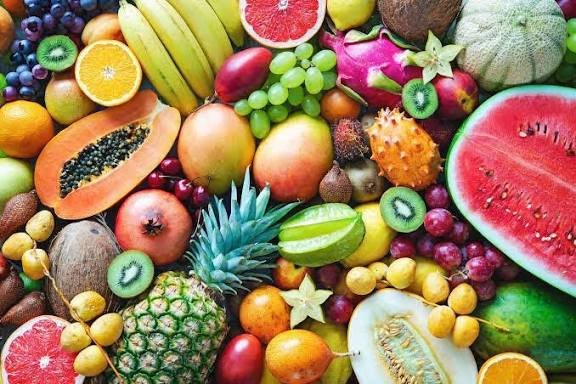
Fruits that support digestion; Good digestion is important for a healthy body. It helps break down food, absorb nutrients, and remove waste. When the digestive system works well, the body gets the energy and nutrients it needs to function.
However, many people experience digestive problems. Constipation, bloating, stomach discomfort, and irregular bowel movements are common concerns. Poor food choices, low fibre intake, dehydration, and lack of physical activity can make these problems worse.
One simple way to support digestive health is to eat more fruit. Fruits contain fibre, water, vitamins, minerals, and natural plant compounds that help the digestive system work well.
Some fruits also contain natural enzymes that help break down certain food components. Others feed helpful gut bacteria and support regular bowel movements.
Eating fruits that support digestion can be an easy way to improve your daily diet. You do not need expensive products or special drinks. Fresh fruits from your local market can provide many of the nutrients your gut needs.
In this article, you will discover 12 healthy fruits that can support digestion and help you maintain a healthier gut.
2. How Fruits Help Improve Digestion
Fruits support digestion in several ways. Their fibre, water, and natural nutrients help the digestive tract perform its daily tasks.
Dietary Fibre and Bowel Movements
Fibre is one of the most important nutrients for digestive health. It helps food waste move through the intestines and supports regular bowel movements.
Some types of fibre soften stool, making it easier to pass. Other types add bulk to stool and help it move through the digestive tract.
Fruits such as apples, pears, guava, and oranges are good sources of fibre. Eating them regularly can help prevent constipation.
Water Content and Hydration
Water plays a major role in digestion. It helps soften stool and supports the movement of waste through the intestines.
Many fruits contain large amounts of water. Watermelon, oranges, and pineapples are good examples.
Eating water-rich fruits can support daily hydration. However, they should not replace drinking enough water.
Natural Enzymes and Gut Health
Some fruits contain natural enzymes that help break down food.
For example, papaya contains papain, while pineapple contains bromelain. These enzymes help break down proteins.
Fruits also contain plant compounds that support general health. Some provide food for helpful gut bacteria, which play an important role in digestion and immunity.
3. 12 Fruits That Support Digestion
Adding different fruits to your meals can help improve your fibre intake and support gut health. Here are 12 good options to consider.
1. Papaya
Papaya, also called pawpaw in Nigeria, is one of the best-known fruits for digestive health. It contains fibre, water, vitamin C, and an enzyme called papain.
Papain helps break down proteins into smaller parts. This makes papaya an interesting fruit for people who want to support normal digestion.
Its fibre content also helps support regular bowel movements. Eating ripe papaya can be a simple way to add more nutrients to your diet.
You can enjoy it fresh, add it to fruit salads, or blend it into a smoothie without adding sugar
2. Pineapple
Pineapple is a sweet fruit that contains water, fibre, vitamin C, and bromelain.
Bromelain is a group of enzymes that helps break down proteins. It is one reason pineapple is often linked to digestive health.
The fruit also provides antioxidants that help protect body cells from damage.
Fresh pineapple is a good choice. You can eat it as a snack or add small pieces to a fruit salad.
However, eating too much may cause mouth irritation or stomach discomfort in some people because of its acidity.
3. Banana
Fruits that support digestion. Bananas are easy to find, affordable, and simple to eat. They contain fibre, potassium, and vitamin B6.
Ripe bananas contain soluble fibre, which helps support healthy bowel movements. They also contain pectin, a type of fibre that can help regulate stool.
Slightly green bananas contain resistant starch. This acts as food for helpful gut bacteria.
A ripe banana makes a good breakfast addition or snack. You can also mix it with oats or plain yoghurt.
If you have a sensitive stomach, try a small portion first and see how your body responds.
4. Apple
Apples are rich in fibre and contain a natural substance called pectin.
Pectin is a soluble fibre that helps support healthy gut bacteria. It can also help regulate bowel movements.
Apples contain water and several plant compounds that support general health.
For more fibre, eat apples with their skin after washing them well. The skin contains a useful amount of fibre.
You can enjoy apples as a snack, add them to oatmeal, or mix them with other fruits.

5. Orange
Fruits that support digestion. Oranges are known for their vitamin C content, but they also provide fibre and water.
Their fibre helps support bowel regularity, while their water content contributes to hydration.
Oranges also contain plant compounds called flavonoids. These compounds have antioxidant properties.
For better fibre intake, eat the whole orange rather than drinking only its juice. Much of the fibre is lost when fruit is turned into juice.
One fresh orange can make a refreshing snack at any time of the day.
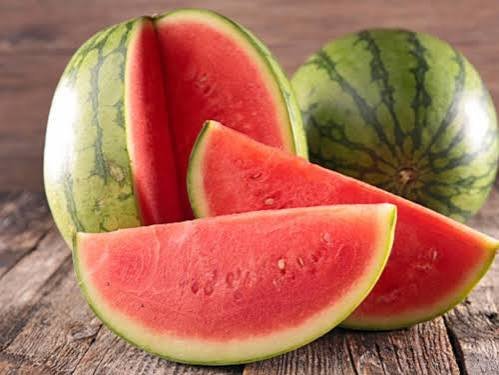
6. Watermelon
Watermelon contains a high amount of water. This makes it a refreshing choice, especially during hot weather.
Although it has less fibre than some other fruits, its water content can help support hydration. Good hydration is important for normal bowel movements.
Watermelon also provides vitamin C and other plant nutrients.
You can eat it fresh, add it to fruit salads, or enjoy it as a light snack.
It is best to eat it in moderate portions, as large servings may cause bloating in some people.
7. Pear
Pears are excellent sources of dietary fibre. They contain both soluble and insoluble fibre, which help support normal bowel function.
Their fibre helps add bulk to stool and may make bowel movements easier.
Pears also contain water and natural plant compounds. Eating them with the skin provides more fibre.
You can eat pears fresh, slice them into salads, or add them to breakfast meals.
They are a useful choice for people who want to increase their daily fibre intake.
8. Avocado
Fruits that support digestion. Avocado is a nutrient-rich fruit that contains fibre and healthy fats.
Its fibre supports bowel regularity and helps feed helpful bacteria in the gut. Its healthy fats also support the absorption of certain vitamins.
Avocado contains potassium, vitamin E, and folate. These nutrients support several important body functions.
You can add avocado to bread, salads, or sandwiches. It also works well as a topping for many meals.
Although nutritious, avocado is rich in calories. A moderate serving is a good choice.
9. Kiwi
Kiwi is a small fruit with many useful nutrients. It contains fibre, vitamin C, and an enzyme called actinidin.
Actinidin helps break down proteins. Kiwi may also support bowel regularity and help reduce constipation in some people.
Its fibre helps support stool movement through the intestines.
You can eat kiwi with a spoon or peel and slice it into a fruit salad. Some people also eat the skin after washing it well.
Adding kiwi to your diet is a simple way to enjoy a fruit with several digestive benefits.
10. Mango
Mango is a sweet fruit that contains fibre, vitamin A, vitamin C, and antioxidants.
Its fibre helps support digestion and normal bowel movements. It also contains plant compounds that contribute to overall health.
Fresh mango can be enjoyed on its own or mixed with other fruits.
It is also a good addition to smoothies. However, avoid adding large amounts of sugar or sweetened syrup.
Mango contains natural sugar, so eating a moderate portion is a sensible choice.
11. Guava
Guava is a nutritious tropical fruit that is widely available in Nigeria. It is rich in fibre and vitamin C.
Its fibre helps add bulk to stool and supports regular bowel movements. Eating guava may also help you feel full for longer.
The seeds and skin contain fibre, so eating the whole fruit after washing it well can provide extra benefits.
You can enjoy fresh guava as a snack or add it to a fruit salad.
If you are not used to eating high-fibre foods, begin with a small portion and increase it slowly.
12. Berries
Berries such as strawberries, blueberries, raspberries, and blackberries are rich in fibre and antioxidants.
Their fibre helps support healthy bowel movements. Some of their plant compounds may also support a healthy balance of gut bacteria.
Berries are easy to add to meals. You can mix them with oats, plain yoghurt, or smoothies.
Fresh and frozen berries are both useful choices. Choose plain varieties without added sugar where possible.

4. The Importance of Fibre for a Healthy Gut
Fibre plays a major role in keeping the digestive system healthy. It supports bowel movements, feeds helpful gut bacteria, and helps maintain normal stool consistency.
Soluble and Insoluble Fibre
There are two main types of dietary fibre.
Soluble fibre dissolves in water and forms a soft, gel-like substance. It can help soften stool and support healthy gut bacteria. Apples, oranges, and pears contain soluble fibre.
Insoluble fibre does not dissolve in water. It adds bulk to stool and helps waste move through the digestive tract. Fruit skins and some fruit seeds provide this type of fibre.
Both types are useful. Eating different fruits helps you get a mixture of fibres.
How Fibre Supports Regular Bowel Movements
A diet low in fibre can make stool hard and difficult to pass. This may lead to constipation.
Eating more fibre can help improve bowel regularity. However, increase your intake slowly. A sudden increase may cause gas and bloating.
Drink enough water as you increase your fibre intake. This helps fibre work well in the digestive tract.
5. Best Ways to Eat Fruits for Better Digestion
Eating fruit is healthy, but the way you prepare it can affect its nutritional value.
Eat Fresh and Whole Fruits
Whole fruits are often better than fruit juice because they contain more natural fibre.
Choose fresh fruit when possible. Frozen fruit without added sugar is also a good option.
Keep the Skin When Safe
Some fruit skins contain useful fibre. Apples, pears, and guavas are good examples.
Wash fruits well before eating them. Remove the skin if it is damaged or if you cannot clean it properly.
Combine Fruits With Balanced Meals
You can combine fruit with other healthy foods.
For example, eat banana with oats, add berries to plain yoghurt, or enjoy avocado with whole-grain bread.
This helps create balanced meals that provide fibre, protein, and other nutrients.
6. Common Digestive Problems That Fruits May Help With
Certain fruits can help support people who experience common digestive problems.
Constipation
Constipation occurs when bowel movements become difficult or less frequent than usual.
Fibre-rich fruits such as pears, apples, kiwi, and guava can help improve stool movement.
Drink enough water and stay active as well. These habits work together to support regular bowel movements.
Bloating
Bloating is a feeling of fullness or swelling in the stomach. It may occur after eating certain foods or eating too quickly.
Some fruits are easier to tolerate than others. Bananas, oranges, and kiwi may suit some people, while apples, pears, and mangoes may trigger symptoms in people with sensitive digestion.
Pay attention to how your body responds.
Poor Bowel Regularity
Irregular bowel movements can be linked to low fibre intake, dehydration, and inactivity.
Eating a variety of fruits can help improve fibre intake. Combine this with regular exercise and enough water.
If digestive problems continue, seek advice from a healthcare professional.
7. Best Time to Eat Fruits for Digestive Health
Many people wonder whether there is a perfect time to eat fruit.
The truth is that fruit can be eaten at different times of the day. There is no strong evidence that eating fruit on an empty stomach is better for digestion.
Eating Fruits in the Morning
Fruit can make a healthy breakfast addition. Bananas, oranges, and apples provide fibre and useful nutrients.
You can combine them with oats or plain yoghurt for a more filling meal.
Eating Fruits Between Meals
Fruit makes a good snack between meals. It can help satisfy hunger and reduce the need for highly processed snacks.
Choose whole fruit instead of sweetened fruit drinks.
Eating Fruits With Main Meals
You can also enjoy fruit with lunch or dinner. For example, add avocado to a meal or serve fresh fruit after eating.
The most important thing is to eat fruit regularly as part of a balanced diet.
8. Common Mistakes to Avoid When Eating Fruits
Although fruits are healthy, some habits can reduce their benefits.
Drinking Too Much Fruit Juice
Fruit juice often contains less fibre than whole fruit. Large servings can also provide a lot of natural sugar.
Choose whole fruits more often.
Eating Too Much Fruit at Once
Eating large amounts of fruit in one sitting may cause gas, bloating, or stomach discomfort.
Start with moderate portions and spread your fruit intake throughout the day.
Ignoring Food Sensitivities
Not every fruit suits everyone. Some people experience bloating or discomfort after eating certain fruits.
If you notice a pattern, reduce the portion or choose another fruit. People with irritable bowel syndrome may need to limit certain high- If you notice a pattern, reduce the portion or choose another fruit. People with irritable bowel syndrome may need to limit certain high-FODMAP fruits ( stands for:
Fermentable Oligosaccharides, Disaccharides, Monosaccharides and Polyols).
9. Other Healthy Habits That Improve Digestion
Fruits are helpful, but they are only one part of good digestive health.
- Drink enough water: Water helps soften stool and supports normal digestion.
- Exercise regularly: Walking, cycling, and other physical activities can help bowel movements.
- Eat slowly: Chewing food well makes it easier to swallow and supports normal digestion.
- Get enough sleep: Good sleep supports general health and normal body functions.
- Eat balanced meals: Include vegetables, whole grains, protein, and healthy fats in your daily diet.
These simple habits can work together to support a healthier digestive system.
10. Conclusion: Make Fruits Part of Your Daily Diet
Good digestive health starts with simple daily choices. Eating a variety of fruits can provide the fibre, water, vitamins, and natural plant compounds your body needs.
Papaya, pineapple, bananas, apples, oranges, pears, kiwi, and guava are useful choices. Other fruits, such as avocado, mango, watermelon, and berries, can also support a balanced diet.
The best approach is to eat different fruits rather than depend on just one. Choose whole fruits, increase fibre slowly, and drink enough water.
Remember that fruits that support digestion work best when combined with other healthy habits. Regular exercise, balanced meals, and good sleep all play a part.
Start small. Add one fruit to your breakfast or enjoy a fresh fruit snack during the day. Over time, these simple choices can help you build a healthier gut and improve your overall well-being.
A healthy digestive system begins with what you eat every day.



















Comments (2)
Divine Favour November 5, 2026
This has been really helpful and insightful, thank you for this information, i will make sure to add fruits into my daily diet.
Adeniyi BabyBoy November 6, 2026
Wow! Such a wonderful read.