







Fat-burning foods : facts vs myths – Losing excess body fat is a common health goal. Many people want a slimmer waist, better fitness, and improved health. As a result, foods that promise quick fat loss have become very popular. From lemon water to green tea, several everyday foods are praised for their supposed fat-burning powers.
But are these claims true?
Some foods can help control hunger, support digestion, and improve how the body uses energy. Others have little effect on body fat, despite their popularity. Understanding the difference is important.
The truth is that fat-burning foods do not melt body fat on their own. However, the right food choices can support a healthy eating plan and make weight loss easier.
This guide explores the facts, clears up common myths, and explains how to choose foods that support lasting results.
1. What Are Fat-Burning Foods?
Fat-burning foods are foods that may support the body’s ability to use energy, control hunger, or maintain a healthy weight.
Some foods have a higher protein or fibre content. Others contain natural compounds that may have a small effect on energy use. These features can make them useful in a balanced diet.
However, no ordinary food can target fat in one part of the body. Eating certain foods will not remove belly fat alone.
How Food Affects Body Fat
The body gets energy from the food and drinks we consume. It uses this energy to support breathing, movement, digestion, and other daily functions.
When the body uses more energy than it gets from food over time, it can draw on stored fat for energy. This is known as a calorie deficit.
For this reason, the best fat-burning foods are often those that help you feel full, provide key nutrients, and make it easier to manage your daily calorie intake.
2. How the Body Burns Fat
Understanding how fat loss works can help you avoid misleading diet advice.
The Role of Metabolism
Metabolism refers to the processes that help the body turn food into energy. Even when you are resting, your body uses energy to keep your heart beating, maintain body temperature, and support your organs.
Your metabolism is affected by several factors, including age, body size, muscle mass, hormones, and activity levels.
Some foods may cause a small rise in energy use after eating. However, this effect is not large enough to cause major weight loss on its own.
Calories and Energy Balance
Calories measure the energy found in food and drinks. Your body needs this energy to work well.
When you eat more calories than your body uses over time, excess energy may be stored as fat. When you use more energy than you consume, your body can use stored energy.
This does not mean you should starve yourself. A healthy calorie deficit should be moderate and should still provide enough food and nutrients.
3. Foods That May Support Fat Loss: The Facts
Not all foods have the same effect on hunger, energy, and health. Some can make a weight-loss plan easier to follow.
Here are some useful choices.
A. Protein-Rich Foods
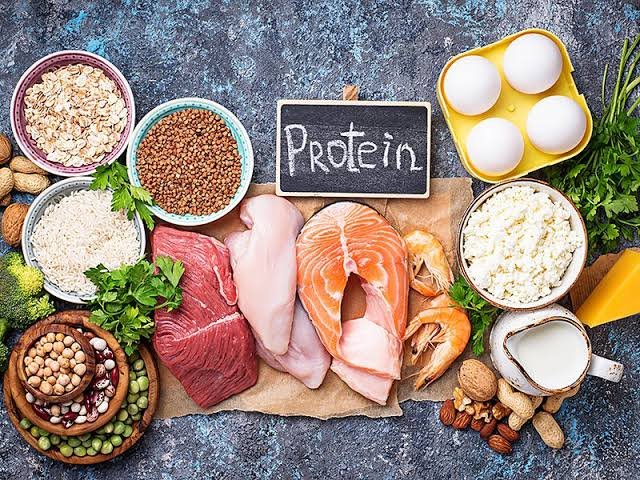
Protein is an important nutrient for muscle growth and repair. It also helps you feel full after meals.
Good sources include:
- Eggs
- Fish
- Chicken
- Beans
- Lentils
- Plain yoghurt
- Lean meat
- Soybeans
Protein also has a higher thermic effect than carbohydrates and fats. This means the body uses more energy to digest it.
Eating enough protein may also help preserve muscle during weight loss. This is useful because muscle plays a role in daily energy use.
B. Fibre-Rich Foods
Fibre is found in plant foods. It supports digestion and can help control hunger.
Good sources include oats, beans, vegetables, apples, pears, and whole grains.
Fibre slows digestion and helps you feel full for longer. This may reduce the urge to snack between meals.
Beans are especially useful. They provide both fibre and protein, making them a filling and affordable food choice.
C. Fruits and Vegetables
Fruits and vegetables contain vitamins, minerals, water, and fibre. Many also have fewer calories than processed snacks.
Useful choices include:
- Watermelon
- Oranges
- Pawpaw
- Apples
- Cucumber
- Spinach
- Carrots
- Broccoli
These foods add volume to meals without adding too many calories.
They also support general health. However, eating fruit alone will not cause fat loss. It works best as part of a balanced diet.
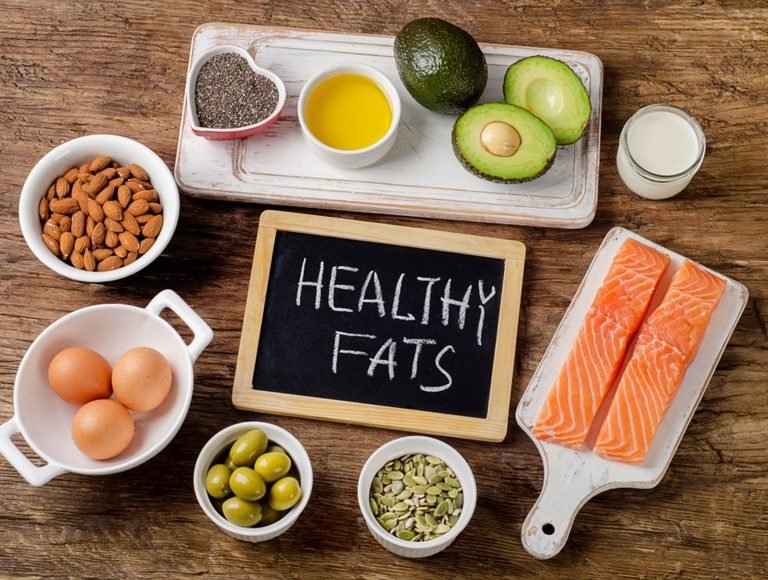
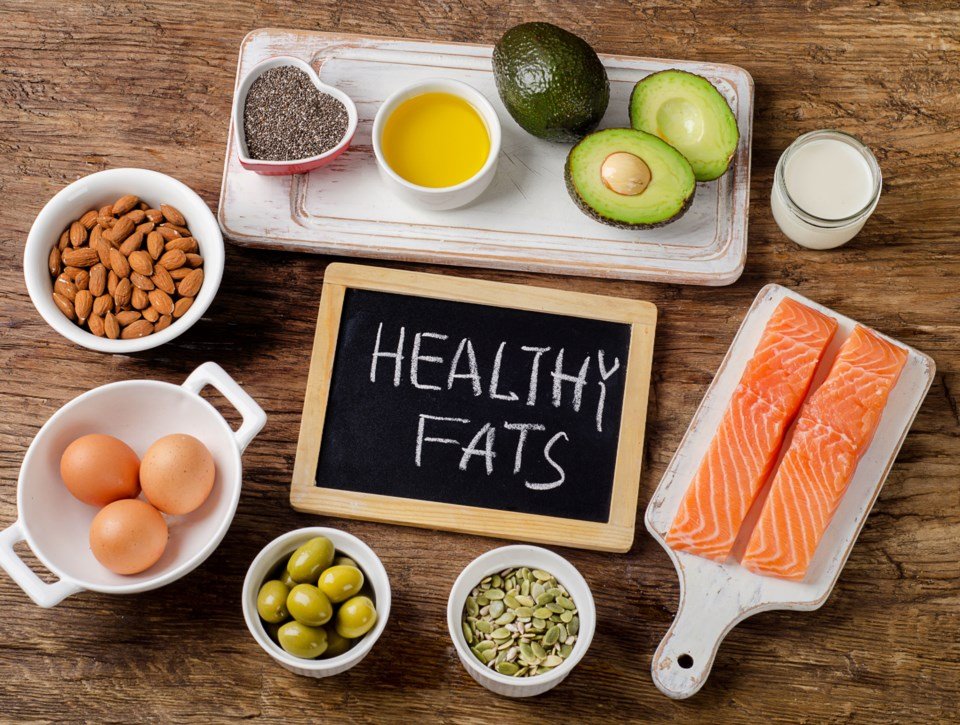
D. Healthy Fats
Fat is an important nutrient. It helps the body absorb certain vitamins and supports hormone production.
Healthy sources include avocado, groundnuts, almonds, seeds, and olive oil.
These foods can help you feel satisfied after meals. However, they are also rich in calories.
Therefore, portion size matters. A small serving can be helpful, while eating very large amounts may make it harder to maintain a calorie deficit.
E. Green Tea and Coffee
Green tea contains natural plant compounds called catechins. Coffee contains caffeine.
Both have been studied for their possible effects on energy use and fat metabolism.
Some research suggests that caffeine and green tea compounds may have small effects on energy expenditure. However, these effects vary between people and are usually modest.
Choose plain tea or coffee where possible. Adding large amounts of sugar, cream, or sweetened syrups can increase calorie intake.
4. Popular Fat-Burning Food Myths
There is a lot of confusing advice about weight loss. Some claims sound convincing but have little scientific support.
Let’s examine a few common myths.
Myth 1: Lemon Water Melts Belly Fat
Lemon water is refreshing and can help you drink more water. However, it does not directly burn belly fat.
There is no special chemical in lemon juice that melts stored body fat.
Drinking lemon water instead of sugary drinks may help reduce calorie intake. That is where its benefit comes from.
Myth 2: Eating Chilli Burns Large Amounts of Fat
Chilli peppers contain capsaicin, a compound that creates their hot taste.
Capsaicin may slightly increase heat production and energy use in the body. This process is called thermogenesis.
However, the effect is small. Eating very spicy meals will not lead to dramatic weight loss.
You can enjoy chilli as part of a healthy diet, but do not depend on it as a weight-loss treatment.
Myth 3: Grapefruit Causes Rapid Weight Loss
Grapefruit is rich in water and contains fibre and vitamin C. It can be a healthy part of your diet.
However, it does not have a special ability to remove body fat.
Some people may lose weight when they replace high-calorie foods with fruit. The result comes from lower calorie intake, not a unique fat-burning property.
Also, grapefruit can interact with certain medicines. Check with a healthcare professional before adding it regularly if you take prescription drugs.
Myth 4: Skipping Meals Speeds Up Fat Loss
Skipping meals is often promoted as a quick way to lose weight. But it does not work for everyone.
Some people may eat more later because they become very hungry. Others may feel tired, weak, or unable to focus.
Meal timing is less important than the overall quality and amount of food eaten over time.
Choose a meal pattern that helps you stay nourished and consistent.
Myth 5: Certain Foods Burn Fat While You Sleep
You may have heard that eating pineapple, drinking special teas, or taking certain drinks before bed can burn fat overnight.
There is no strong evidence that these foods cause meaningful fat loss during sleep.
Your body continues to use energy while you sleep, but no single food can switch on overnight fat burning.
5. The Truth About Metabolism-Boosting Foods
Some foods can slightly increase the energy the body uses during digestion. However, the effect is often overstated.
Can Certain Foods Increase Metabolism?
Protein-rich foods have a higher thermic effect than fats and carbohydrates. Spicy foods may also cause a small, short-term increase in energy use.
Coffee and green tea may have similar mild effects due to their natural compounds.
Still, these changes are not large enough to replace healthy eating and physical activity.
Understanding the Thermic Effect of Food
The thermic effect of food is the energy the body uses to digest, absorb, and process nutrients.
Protein generally requires more energy to process than carbohydrates and fats.
This is one reason meals that contain fish, eggs, beans, or chicken can be useful in a weight-management plan.
But remember: the effect is only one part of the bigger picture.
6. How to Include Fat-Loss Foods in Your Daily Diet
A healthy eating plan does not need to be costly or complicated. You can use common foods to prepare balanced meals.
Here are some simple ideas.
Healthy Breakfast Choices
Breakfast can provide energy and help you start the day well.
Good options include:
- Boiled eggs with whole-wheat bread.
- Oatmeal with banana.
- Plain yoghurt with fruit.
- Beans with a small serving of pap.
These meals provide useful nutrients and can help control hunger.
Balanced Lunch and Dinner
Aim to include protein, vegetables, and a suitable portion of carbohydrates in your main meals.
For example:
- Rice with grilled fish and vegetables.
- Boiled yam with egg sauce and spinach.
- Beans with a small portion of plantain.
- Sweet potatoes with chicken and salad.
You do not need to remove rice, yam, or plantain from your diet to lose weight. Portion size and food preparation matter.
Smart Snacks and Drinks
Choose snacks that provide nutrients rather than only added sugar.
Some good options include:
- A small handful of groundnuts.
- Fresh fruit.
- Boiled eggs.
- Plain yoghurt.
- Sliced cucumber.
Drink water throughout the day. It supports normal body functions and can help prevent thirst from being mistaken for hunger.
7. Lifestyle Habits That Make Fat Loss Easier
Food matters, but it is not the only part of weight management. Daily habits also play an important role.
Regular Physical Activity
Exercise helps the body use energy and supports heart health.
You do not need to spend hours in a gym. Walking, cycling, dancing, swimming, and household activities can all help.
Strength training is also useful. It helps build and maintain muscle, which supports physical strength and daily energy use.
Aim for at least 150 minutes of moderate activity each week, along with muscle-strengthening activities on two or more days.
Quality Sleep
Sleep affects hunger and appetite. Poor sleep can make it harder to control food choices.
Adults should aim for seven to nine hours of sleep each night.
Try to keep a regular sleep schedule. Reduce screen use before bed and avoid heavy meals close to bedtime if they affect your sleep.
Stress Management
Long-term stress can affect eating habits. Some people eat more when stressed, while others lose their appetite.
Simple habits can help. Take short walks, spend time outdoors, practise slow breathing, or talk with someone you trust.
Consistent Eating Habits
Healthy weight loss takes time. Extreme diets may lead to quick changes, but they are often difficult to maintain.
Build habits that fit your daily life. Eat balanced meals, control portions, and allow room for foods you enjoy.
Consistency is more useful than perfection.
8. Common Mistakes to Avoid When Choosing Fat-Burning Foods
Even healthy foods can become part of an unhealthy plan when used incorrectly.
Here are some mistakes to avoid.
Depending on One Food
No single food can provide everything your body needs.
Eating only grapefruit, drinking green tea all day, or relying on lemon water can leave you short of important nutrients.
Eat a wide range of foods instead.
Ignoring Portion Sizes
Healthy foods still contain calories. Groundnuts, avocado, oils, and nuts are nutritious, but large servings can add a lot of energy to your diet.
Learn to use suitable portions without cutting out useful foods.
Following Extreme Diets
Very low-calorie diets can cause fatigue, nutrient shortages, and muscle loss.
They may also increase the risk of regaining weight.
Choose a gradual approach that supports your health.
Buying Expensive Weight-Loss Products
Many products claim to burn fat quickly. Some contain stimulants or ingredients that may cause unwanted side effects.
Do not assume that a product is safe because it is labelled natural.
Speak with a qualified healthcare professional before using weight-loss supplements.
9. Conclusion: Making Smart Food Choices for Healthy Weight Loss
Understanding the facts about fat-burning foods can help you make better decisions about your health.
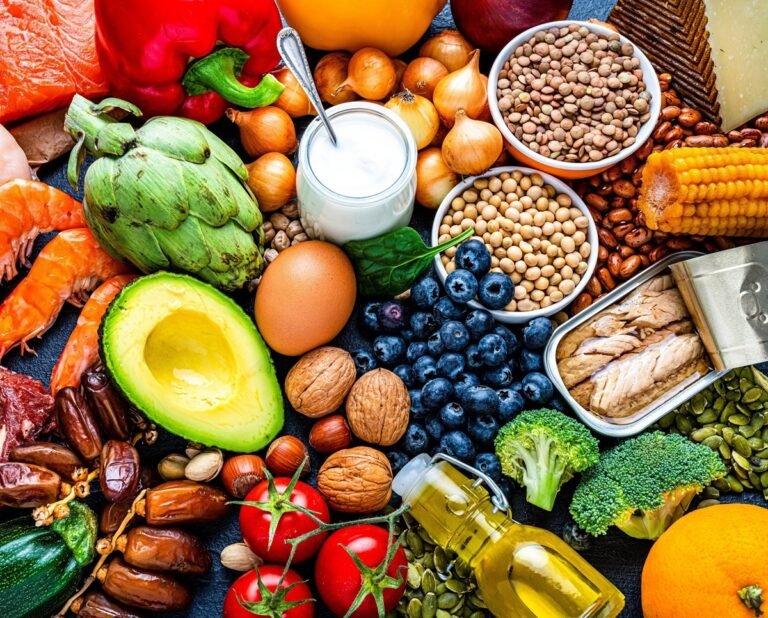
Foods such as eggs, fish, beans, oats, vegetables, fruits, and nuts can support weight management. They provide protein, fibre, vitamins, and other useful nutrients.
However, no food can melt fat on its own. Lemon water does not remove belly fat, chilli does not cause rapid weight loss, and special bedtime drinks are not a shortcut to a slimmer body.
The best approach is simple: eat balanced meals, watch your portions, stay active, sleep well, and remain consistent.
Healthy weight loss is not about finding one magic food. It is about building habits that your body can benefit from for years to come.
Start with small changes. Over time, those changes can make a real difference.