






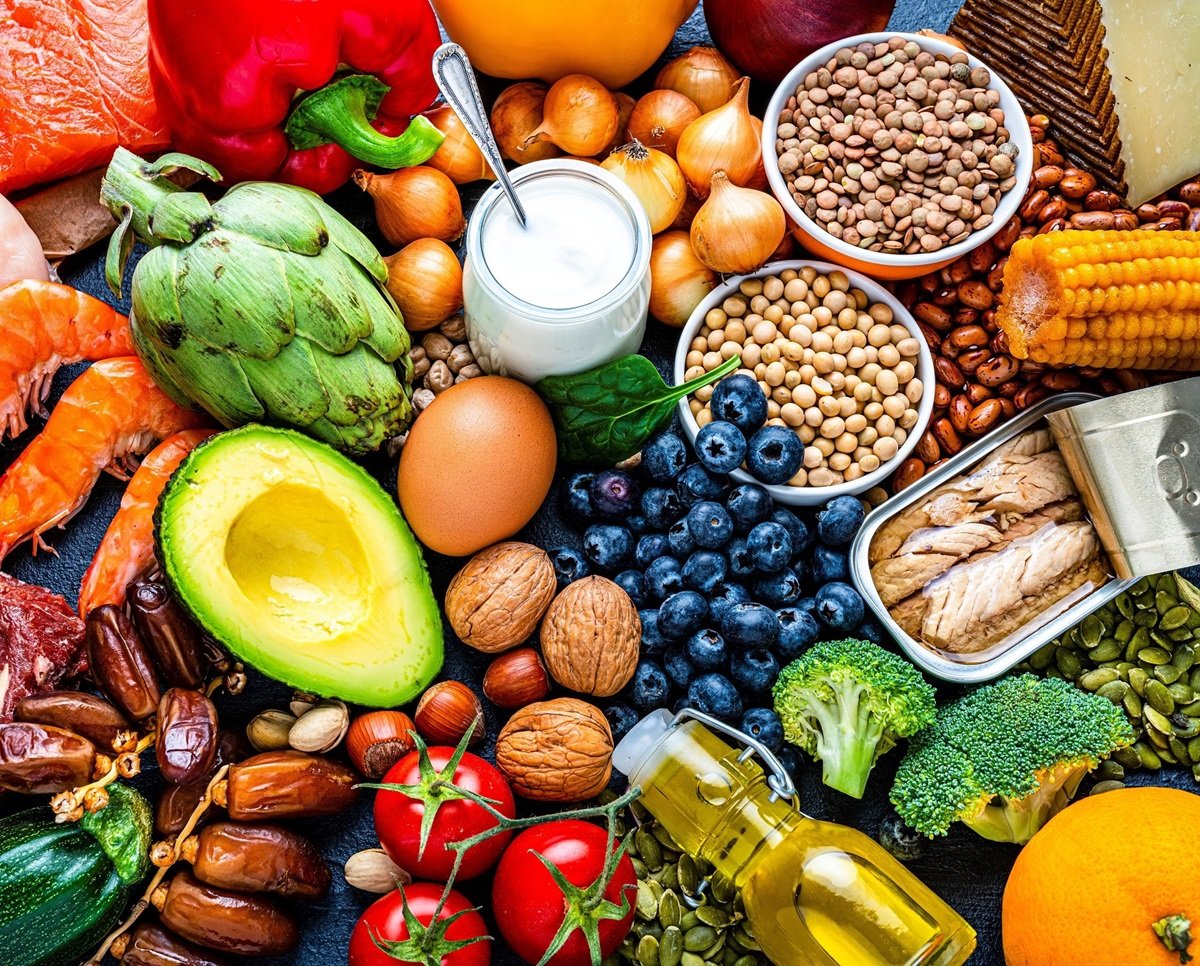

1. Introduction: Why Healthy Eating Goes Beyond Fruits and Vegetables
Beyond Fruits and Vegetables: Other Foods Your Body Needs: When people think about healthy eating, fruits and vegetables often come to mind. They are rich in vitamins, minerals, fibre, and antioxidants. They help the body stay healthy and support many important functions.
But is eating fruits and vegetables enough to meet all the body’s nutritional needs?
The answer is no.
Your body needs more than fruits and vegetables to function well. It also needs protein, healthy fats, whole grains, minerals, and other essential nutrients. These nutrients help build muscle, repair tissue, support brain function, and provide energy.
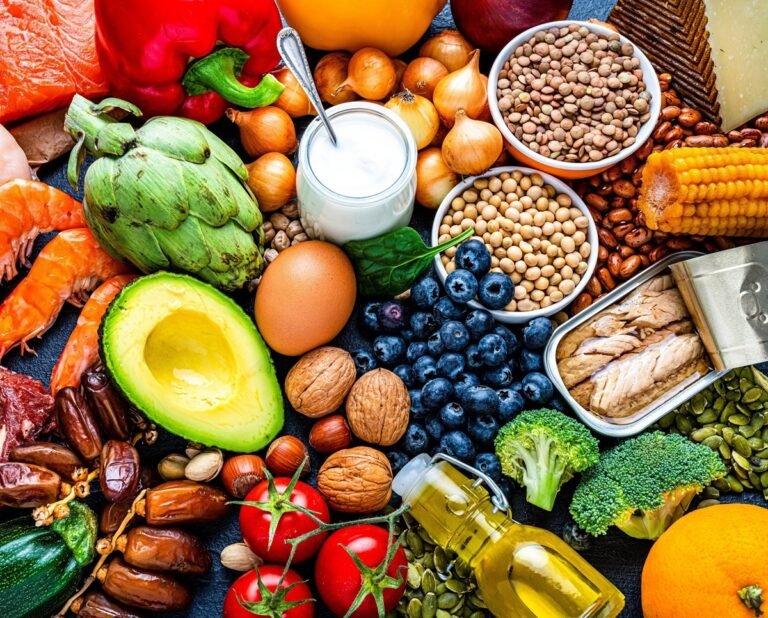
This is why Beyond Fruits & Vegetables is an important topic in natural health and nutrition. A healthy diet should include a variety of foods. Each group has a special role to play.
You do not need expensive foods to eat well. Many affordable foods found in Nigerian markets can help you meet your daily nutritional needs.
Let’s explore them.
2. Understanding the Nutritional Needs of the Body
Beyond Fruits and Vegetables: Other Foods Your Body Needs: Your body is like a machine that needs the right materials to work well. Every day, it uses nutrients to perform different tasks.
Some nutrients provide energy. Others build and repair body tissues. Some help the immune system fight infections, while others support healthy bones, blood, and nerves.
The major nutrients include:
- Carbohydrates: They provide energy for daily activities.
- Protein: It helps build and repair muscles, skin, and other tissues.
- Fats: They support brain function, protect organs, and help the body absorb certain vitamins.
- Vitamins: They support immunity, growth, and normal body functions.
- Minerals: They help maintain strong bones, healthy blood, and proper nerve function.
- Water: It supports digestion, circulation, and temperature control.
No single food contains everything your body needs in the right amounts.
That is why variety matters. Eating different foods gives your body access to a wider range of nutrients.
3. Protein-Rich Foods: Building and Repairing the Body
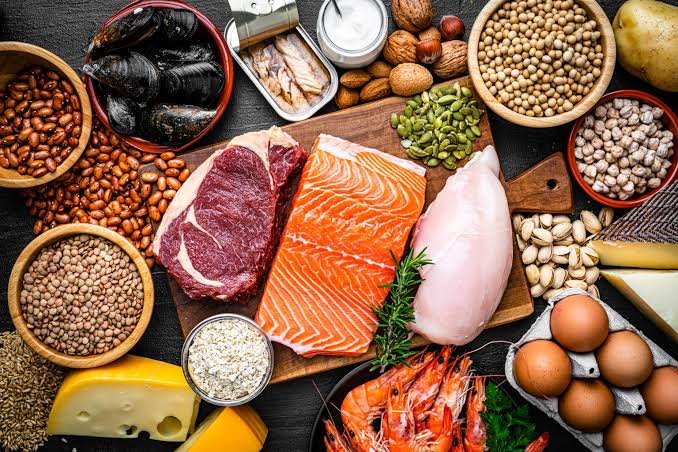
Protein is one of the most important nutrients in the human diet.
Your body uses protein to build muscles, repair tissues, and produce enzymes and hormones. It also plays a role in immune function.
Without enough protein, the body may struggle to maintain and repair its tissues.
Animal-Based Protein Sources
Some good animal-based protein sources include:
- Eggs
- Fish
- Chicken
- Turkey
- Milk
- Lean meat
Fish is especially useful because some types contain omega-3 fatty acids. These fats support heart and brain health.
Eggs also provide protein, vitamin B12, selenium, and other nutrients.
Plant-Based Protein Sources
You do not have to eat meat every day to get protein.
Many plant foods contain useful amounts of protein. These include:
- Beans
- Lentils
- Soybeans
- Groundnuts
- Bambara nuts (Okpa)
- Peas
Beans are particularly useful in Nigerian meals. They provide protein and fibre, which support digestion and help you feel satisfied after eating.
Try adding beans to your weekly meals. You can prepare moi-moi, Akara, bean porridge, or plain cooked beans.
A varied diet can provide the protein your body needs.
4. Whole Grains: A Natural Source of Energy
Beyond Fruits and Vegetables: Other Foods Your Body Needs: Carbohydrates are often misunderstood. Some people believe that all carbohydrates are unhealthy. This is not true.
Your body needs carbohydrates as a major source of energy. The important thing is to choose nutritious sources.
Whole grains contain more fibre and natural nutrients than refined grains.
Examples include
- Oats
- Brown rice
- Whole-wheat bread
- Millet
- Guinea corn
- Whole maize
These foods provide energy and fibre. Fibre helps food move through the digestive system and supports regular bowel movements.
Whole grains may also help support healthy blood sugar and cholesterol levels when included in a balanced diet.
For a Nigerian meal, you can enjoy pap made from millet or guinea corn, oats, brown rice, or unrefined maize.
The goal is not to avoid carbohydrates. It is to make better choices.
5. Nuts and Seeds: Small Foods with Powerful Benefits
Nuts and seeds may be small, but they contain several important nutrients.
They provide healthy fats, protein, fibre, vitamins, and minerals.
Some useful examples include:
- Almonds
- Cashew nuts
- Walnuts
- Groundnuts
- Pumpkin seeds
- Sesame seeds
- Flaxseeds
- Chia seeds
Groundnuts are widely available in Nigeria. They contain protein, healthy fats, magnesium, and vitamin E.
Pumpkin seeds also provide zinc, iron and magnesium. These minerals support different body functions.
Chia and flaxseeds contain fibre and plant-based omega-3 fats.
You can add nuts and seeds to oats, yoghurt, pap or homemade meals.
However, portion size matters. Nuts and seeds are energy-dense, so moderate amounts are enough.
Choose plain or lightly roasted options when possible. Avoid products with excessive salt or added sugar.
6. Healthy Fats: Why Your Body Needs Good Fats
Fat is not an enemy of good health.
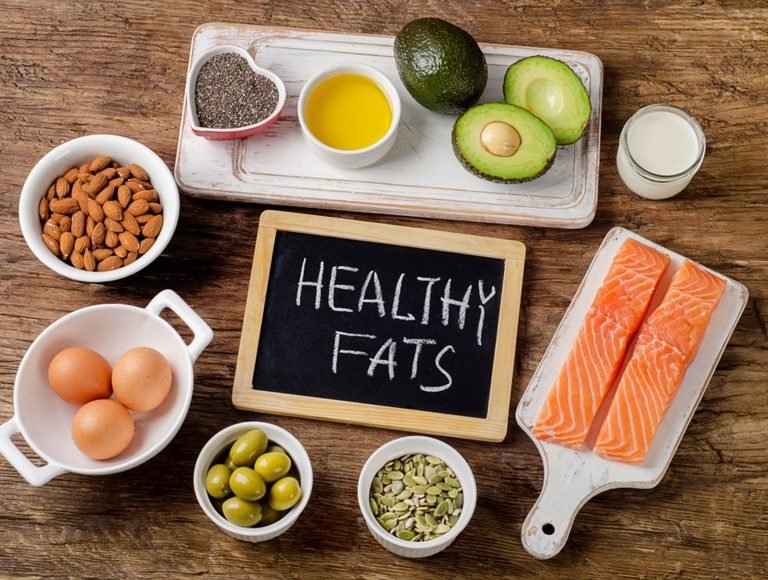
In fact, your body needs healthy fats for several important reasons. They help protect organs, support brain function, and allow the body to absorb vitamins A, D, E, and K.
Healthy fats also form part of the structure of body cells.
Some useful sources include:
- Avocado pear
- Olive oil
- Groundnuts
- Sesame seeds
- Walnuts
- Fatty fish
- Soybean oil
Avocado pear contains monounsaturated fats and fibre. Fatty fish, such as sardines and mackerel, provide omega-3 fats.
These fats support normal heart and brain function.
However, not all fats are equal. Eating too much saturated fat can raise unhealthy cholesterol levels in some people. Trans fats should be avoided as much as possible.
Use cooking oils in moderate amounts. Choose fish, nuts, and other unsaturated fat sources more often.
Remember, healthy eating is about balance, not removing all fats from your meals.
7. Fermented Foods: Supporting Gut Health Naturally
Beyond Fruits and Vegetables: Other Foods Your Body Needs: Your digestive system contains millions of tiny organisms. Together, they form what is known as the gut microbiome.
These organisms help digest food, produce certain useful substances, and support the immune system.
Some foods are fermented with the help of beneficial microorganisms. These foods may contain live cultures that support gut health.
Examples include:
- Plain yoghurt with live cultures
- Kefir
- Some traditional fermented milk products
- Properly fermented vegetables
Fermentation can also improve the flavour and digestibility of some foods.
In Nigeria, many traditional foods undergo fermentation during preparation. Examples include OGI and IRU.
However, not every fermented food contains live probiotic cultures when eaten. Cooking and processing can affect the microorganisms present.
For this reason, choose properly prepared foods and maintain good food hygiene.
Plain yoghurt with live cultures can be a useful addition to a balanced diet.
8. Dairy and Other Calcium- Rich Foods: Building Strong Bones
Calcium is essential for strong bones and teeth.
It also helps muscles contract, supports nerve function, and plays a role in blood clotting.
Milk, yoghurt and cheese are common sources of calcium.
However, people who do not consume dairy products have other options.
These include:
- Calcium-set tofu
- Sardines eaten with their soft bones
- Some leafy green vegetables
- Calcium-fortified plant drinks
- Sesame seeds
Vitamin D is also important because it helps the body absorb calcium.
A balanced diet should provide enough calcium and vitamin D to support healthy bones.
Children, teenagers, and older adults have different nutritional needs. Getting enough of these nutrients is important throughout life.
9. Herbs and Spices: More Than Just Flavour
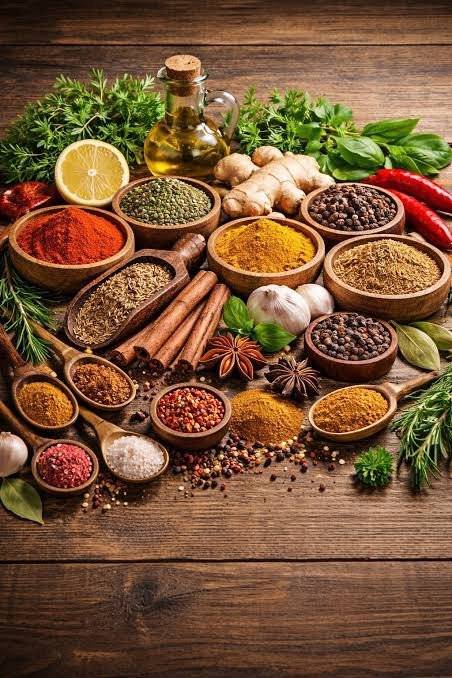
Herbs and spices do more than make food taste good.
Beyond Fruits and Vegetables: Other Foods Your Body Needs: Many contain natural plant compounds called phytochemicals. These compounds help plants protect themselves and may also have useful effects on human health.
Some familiar examples include:
Ginger: Commonly used in Nigerian cooking and drinks. It contains gingerol, a natural plant compound that has been studied for its antioxidant and anti-inflammatory effects.
Turmeric: Contains curcumin, a compound that has attracted scientific interest because of its potential health effects.
Garlic: Contains sulphur compounds and is widely used in cooking. It may have modest effects on blood pressure and cholesterol in some people.
Cloves: They contain eugenol, a natural compound with antioxidant properties.
Cinnamon: It contains plant compounds that have been studied for their possible effects on blood sugar control.
These ingredients can add flavour and variety to everyday meals.
However, spices are not cures for diseases. They should not replace prescribed medicines or medical treatment.
Use them as part of a healthy diet rather than relying on them as medicine.
10. Water: The Often-Forgotten Nutrient
Water is one of the most important parts of good nutrition.
Yet many people focus on food and forget about proper hydration.
Water helps regulate body temperature, transport nutrients, support digestion, and remove waste products.
It also helps maintain normal blood circulation.
When you do not drink enough water, you may experience thirst, tiredness, headaches, and difficulty concentrating.
In Nigeria, hot weather and physical activity can increase your need for fluids.
Drink clean water regularly throughout the day. Do not wait until you feel very thirsty.
Water-rich foods such as watermelon, cucumber, and oranges can also contribute to your daily fluid intake.
However, they should not replace drinking water.
11. How to Build a Balanced Nigerian Diet
Eating healthy does not have to be expensive or complicated.
You can build nutritious meals with foods that are already available in local markets.
Here are some practical examples:
Breakfast:
- Oats with milk and groundnuts.
- Moi moi with pap.
- Boiled eggs with whole-wheat bread.
Lunch:
- Brown rice with beans and vegetables.
- Yam with egg sauce and vegetables.
- Eba with vegetable soup and fish.
Dinner:
- Beans porridge with vegetables.
- Sweet potatoes with fish and vegetables.
- Unripe plantain with vegetable sauce.
You can also include fruits as snacks between meals.
Try to include different food groups throughout the day. Combine protein, carbohydrates, healthy fats, and vegetables in suitable amounts.
Variety is more important than eating one so-called superfood every day.
12. Common Healthy Eating Mistakes to Avoid
Even people who want to eat well can make mistakes.
Here are some habits to watch:
1. Eating only fruits and vegetables
They are important, but they do not provide every nutrient in the amounts your body needs.
2. Avoiding all fats
Your body needs healthy fats for normal function. Choose better fat sources and use them in moderate amounts.
3. Depending on supplements
Supplements cannot replace a balanced diet. Use them when there is a clear need and seek professional advice.
4. Eating too much processed food
Frequent consumption of foods high in salt, added sugar, and unhealthy fats can affect long-term health.
5. Drinking too little water
Good hydration supports many important body functions. Make clean water part of your daily routine.
6. Following extreme food trends
A healthy diet should be practical, varied, and suitable for your needs. You do not need to eliminate entire food groups without a medical reason.
13. Conclusion: A Wider Approach to Good Nutrition
Good health is not built on fruits and vegetables alone.
Your body needs a wide range of nutrients to grow, repair tissues, produce energy, and maintain normal functions.
Protein-rich foods build and repair the body. Whole grains provide energy and fibre. Nuts and seeds supply healthy fats and minerals. Fermented foods may support gut health, while water keeps important body processes running.
This is the real message behind Beyond Fruits & Vegetables.
Look beyond the foods you eat every day. Explore different food groups and make room for nutritious local options.
You do not need expensive diets or unusual ingredients to eat well. Beans, eggs, fish, groundnuts, millet, vegetables, and clean water can all contribute to a healthy lifestyle.
Start with small changes. Make your meals more varied, choose nutritious foods and practise moderation.
Remember: Good nutrition is not about eating one healthy food. It is about giving your body the variety of nutrients it needs to function well.