







1. Introduction to Brain Health as You Age
Brain health as you age is an important part of living a healthy and active life. The brain controls memory, speech, movement, emotions, and thought. It also helps people learn new skills, make choices, and respond to daily events.
As people grow older, some changes in brain function are normal. You may take longer to remember a name or learn something new. These changes do not always mean that something is wrong.
However, serious memory loss and confusion should not be ignored. They may point to a health problem that needs medical care.
The good news is that simple daily habits can help support brain health. Eating well, staying active, getting enough sleep, and keeping in touch with others all play a role. It is never too early or too late to start caring for your brain.
2. Eat Healthy Foods to Support Brain Health as You Age
Food gives the brain the energy and nutrients it needs to work well. A healthy diet can help protect brain cells and support memory, focus, and clear thought.
2.1 Choose Foods That Nourish the Brain
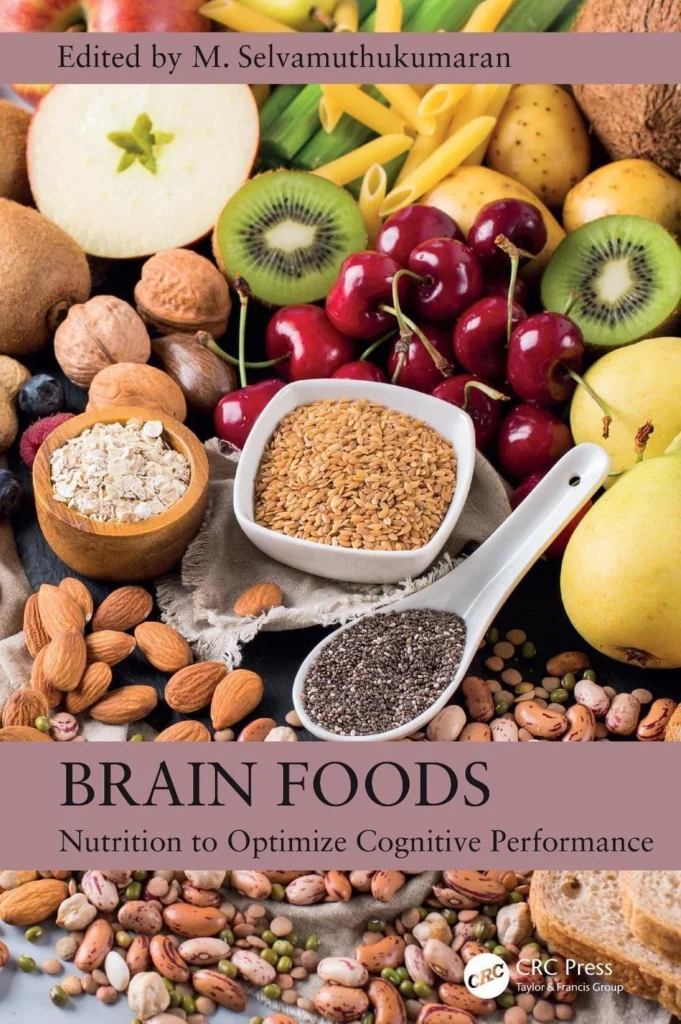
Some foods contain nutrients that help the brain stay healthy. Fatty fish, such as sardines and salmon, provide omega-3 fats. These fats help build and protect brain cells.
Leafy green foods, such as spinach and ugu, provide vitamins and plant-based nutrients. Fruits like oranges, berries, and pawpaw also contain useful vitamins.
Other good choices include:
- Beans and lentils.
- Eggs and fish.
- Groundnuts and other nuts.
- Whole grains.
- Fresh vegetables.
- Fruits and seeds.
You do not need costly foods to eat well. Local foods can provide many of the nutrients your brain needs.
2.2 Get Important Nutrients for Brain Function
The brain needs several nutrients to work well.
- Omega-3 fats: Help support brain cell health.
- Vitamin B12: Supports nerve health and normal brain function.
- Vitamin B6: Helps the brain send signals.
- Vitamin E: Helps protect cells from damage.
- Folate: Supports normal cell growth.
A varied diet can provide many of these nutrients. However, some people may need medical checks for nutrient gaps. Speak with a health worker before taking supplements.
2.3 Limit Foods That May Harm Brain Health
Too much sugar, salt, and highly processed food can affect overall health. These foods may also raise the risk of diabetes, high blood pressure, and heart disease.
Choose fresh foods more often. Limit sugary drinks, excess salt, and foods high in unhealthy fats. Drink enough water throughout the day.
3. Stay Physically Active for Better Brain Health
Exercise does more than keep your body fit. It also supports brain health as you age.
Physical activity helps blood flow to the brain. This allows oxygen and nutrients to reach brain cells. Regular exercise may also improve mood, sleep, and memory.
3.1 Understand the Benefits of Regular Exercise
Exercise can help lower the risk of high blood pressure, diabetes, and heart disease. These conditions can affect the blood vessels that supply the brain.
Physical activity may also support the growth and repair of brain cells. It helps reduce stress and can improve your ability to focus.
You do not need to engage in hard exercise to enjoy these benefits.
3.2 Find Simple Ways to Stay Active
Simple daily activities can help keep your body and brain healthy.
Try these activities:
- Walk for 20 to 30 minutes.
- Dance to your favourite music.
- Ride a bicycle.
- Work in the garden.
- Take the stairs when safe.
- Do gentle stretches at home.
Start slowly if you have not been active for a long time. Choose activities that match your health and fitness level. If you have a serious health condition, seek medical advice before starting a new exercise plan.
4. Keep Your Mind Active as You Age
The brain needs regular use, just like the muscles. Mental activities can help support memory, focus, and thinking skills.
4.1 Try Simple Brain Exercises
Simple mental tasks can help keep your mind active. Read books, solve puzzles, play board games, or try word games.
You can also write in a journal, learn a new recipe, or practise simple maths. These tasks challenge the brain in different ways.
The goal is not to be perfect. The goal is to keep learning and thinking.
4.2 Make Lifelong Learning a Habit
Learning should not stop when you leave school. New skills can help keep your brain active at any age.
Try learning a new language, using a computer, playing an instrument, or taking a short course. Even learning how to use a new phone app can provide a useful mental challenge.
Choose activities that interest you. This makes it easier to stay committed.
5. Get Enough Sleep to Protect Brain Health
Sleep is vital for brain health as you age. During sleep, the brain sorts and stores new information. It also supports cell repair and helps control mood.
Poor sleep can make it harder to focus, learn, and remember things. Long-term sleep problems may also affect overall health.
5.1 Understand the Link Between Sleep and Memory
The brain uses sleep to process events and information from the day. This helps form and store memories.
Lack of sleep can lead to poor focus, slow thinking, and forgetfulness. It can also make you feel tired and irritable.
Most adults need about seven to nine hours of sleep each night. Individual needs may vary.
5.2 Follow Healthy Sleep Habits
Good sleep habits can make a real difference.
- Go to bed at the same time each night.
- Wake up at a regular time.
- Keep your room quiet and cool.
- Avoid heavy meals close to bedtime.
- Limit coffee late in the day.
- Reduce phone and screen use before bed.
If poor sleep continues, speak with a health worker. Conditions such as sleep apnoea may need treatment.
6. Manage Stress to Support Brain Health
Stress is a normal part of life. However, stress that lasts for a long time can affect sleep, mood, focus, and memory.
Taking care of your mental health is an important way to support brain health as you age.
6.1 Understand How Stress Affects the Brain
Long-term stress can affect the body’s stress response. It may make it harder to focus and recall information.
It can also lead to poor sleep, low mood, and unhealthy habits. Some people may eat poorly or stop taking part in activities they once enjoyed.
6.2 Practise Healthy Ways to Manage Stress
There are many simple ways to manage stress.
Try deep breathing, prayer, gentle exercise, music, or spending time outdoors. Talking with family and friends can also help.
Take breaks when needed. Make time for hobbies and activities that bring joy.
If sadness, fear, or worry lasts for a long time, seek help from a health professional. Mental health matters at every age.
7. Build Social Connections for Better Brain Health
Human beings need social contact. Good relationships can support mental health and help people feel valued.
Talking with others gives the brain a chance to think, listen, recall, and respond. These daily activities can help keep the mind active.
7.1 Understand the Link Between Social Contact and Brain Function
Social contact can reduce loneliness and stress. It may also support mood and memory.
People who stay connected often have more chances to share ideas, learn new things, and take part in group activities.
Strong relationships can also provide emotional support during difficult times.
7.2 Find Ways to Avoid Loneliness
Stay in touch with family and friends. Join a club, attend community events, or take part in a faith group if you wish.
You can also volunteer or help younger people learn useful skills. Even a short phone call can make a difference.
You do not need many friends to feel connected. A few close and trusted people can provide great support.

8. Manage Health Conditions That Affect Brain Health
Some health problems can raise the risk of poor brain function and memory loss. These include high blood pressure, diabetes, and high cholesterol.
Managing these conditions can help protect your brain.
8.1 Control Blood Pressure and Diabetes
High blood pressure can damage blood vessels. This may reduce the flow of blood to the brain.
Diabetes can also harm blood vessels and nerves when blood sugar stays too high for long periods.
Healthy food, exercise, regular checks, and proper treatment can help control these conditions.
8.2 Attend Regular Health Checks
Do not wait until you feel sick before visiting a health centre. Regular health checks can help find problems early.
Check your blood pressure and blood sugar as advised. Discuss memory changes, poor sleep, and other new symptoms with a health worker.
Early care can help prevent some health problems from getting worse.
9. Avoid Habits That Can Harm Brain Health
Some daily habits can raise the risk of brain damage and poor health. Avoiding them is an important part of healthy aging.
9.1 Avoid Smoking and Excessive Alcohol
Smoking can harm blood vessels and reduce the supply of oxygen to body tissues. It also raises the risk of stroke and heart disease.
Too much alcohol can affect memory, balance, and clear thinking. It can also interact with some medicines.
Avoid smoking and limit alcohol. If you do not drink, there is no need to start.
9.2 Take Steps to Prevent Head Injuries
Head injuries can affect memory, movement, and thinking skills. Older adults should take steps to reduce the risk of falls and accidents.
Wear a helmet when riding a bicycle or motorcycle. Use seat belts in cars. Keep floors clear and ensure that rooms have good lighting.
Take medicines only as advised by a health worker. Some drugs can cause dizziness, confusion, or memory problems.
10. Develop Daily Habits for Healthy Brain Aging
Good brain health is built through small actions done each day. You do not need to change your whole life at once.
Start with simple goals. Eat a healthy breakfast, take a walk, read a few pages of a book, and get enough sleep.
Make time to talk with people you care about. Keep learning new things and attend health checks when due.
You can also track your habits in a simple notebook. This can help you see your progress and stay on course.
Be patient with yourself. Some days will be harder than others. What matters most is making healthy choices part of your daily life.
11. Conclusion
Brain health as you age is an important part of living a healthy and active life. It affects how you think, learn, remember, and take part in daily activities.
Although some changes in the brain occur with age, healthy habits can help support brain function. Eating well, staying active, sleeping enough, managing stress, and keeping strong social ties all play a role.
Regular health checks are also vital. They help find and manage conditions that may affect the brain.
There is no single way to prevent all forms of memory loss or brain disease. But it is never too early or too late to care for your brain.
Start with small steps today. Over time, these choices can help support a healthier mind and a better quality of life as you age.