









1. Introduction: Understanding Belly Fat
How to Reduce Belly Fat: Belly fat is a common concern for many people. It can affect how clothes fit, how the body looks, and how confident a person feels. More importantly, excess fat around the waist can increase the risk of serious health problems.
The good news is that small, steady changes can make a real difference. You do not need expensive equipment, strict diets, or exhausting workouts to get started. Simple habits can help.
Learning how to reduce belly fat begins with understanding how the body stores fat and what helps it use stored energy. Food choices, exercise, sleep, and stress all play a part. Genetics and hormones can also affect where fat accumulates.
There is one important fact to remember: you cannot choose exactly where your body loses fat first. Instead, the goal is to reduce overall body fat while protecting muscle and supporting good health.
2. Understand the Two Types of Belly Fat
Not all belly fat is the same. Knowing the difference can help you make better choices for your health.
Subcutaneous Fat
Subcutaneous fat sits just beneath the skin. It is the soft fat you can pinch around your stomach, waist, and hips. The body needs some of this fat to store energy and protect itself.
However, excess fat can make the waist larger. It may also affect comfort and movement.
Visceral Fat
Visceral fat lies deeper inside the abdomen, around organs such as the liver and intestines. Unlike the fat beneath the skin, you cannot easily see or pinch it.
Too much visceral fat is linked to a higher risk of type 2 diabetes, heart disease, and high blood pressure. This makes reducing excess belly fat a health goal, not just a cosmetic one.
The good news is that healthy eating, regular exercise, and gradual weight loss can help reduce abdominal fat. You do not need to chase a perfectly flat stomach to improve your health.
3. Eat a Balanced Diet to Reduce Belly Fat
Food choices have a major effect on weight. To understand how to reduce belly fat, focus on eating balanced meals that provide enough nutrients without regularly consuming more energy than your body uses.
You do not have to give up every favourite food. The key is balance.
Choose Whole Foods
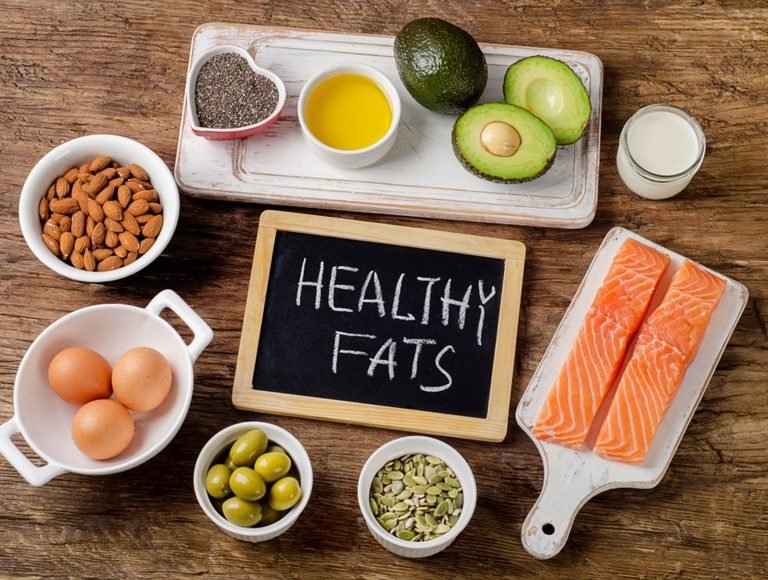
Whole foods provide important nutrients and can help you feel full for longer. Include vegetables, fruits, beans, whole grains, eggs, fish, nuts, and lean meats in your meals.
For example, a meal of grilled fish, vegetables, and a moderate serving of rice can provide protein, fibre, and energy. Oats with fruit and plain yoghurt can make a filling breakfast.
In Nigeria, healthy choices can include beans, moi moi, boiled eggs, garden eggs, okra, unripe plantain, and vegetable-rich soups. You can also enjoy rice, yam, or cassava-based meals. Pay attention to portions and how much oil or rich sauce you add.
Eat More Protein and Fibre
Protein helps maintain muscle during weight loss. It also supports fullness, which may make it easier to avoid unnecessary snacking.
Good sources include eggs, fish, chicken, beans, lentils, milk, and yoghurt. Try to include a source of protein in your main meals.
Fibre is equally useful. It supports digestion and helps meals feel more satisfying. Vegetables, fruits, beans, oats, and whole grains are good sources.
A simple rule is to include protein and fibre-rich foods at most meals. This can make healthy eating easier to maintain.
Reduce Sugar and Refined Carbohydrates
Sugary drinks, sweets, pastries, and large amounts of highly refined snack foods can add many calories without providing lasting fullness.
Reduce frequent servings of these foods rather than banning all carbohydrates. Rice, potatoes, yam, and other starchy foods can still fit into a balanced diet.
Instead of drinking soft drinks every day, choose water more often. Replace some packaged snacks with fruit, boiled eggs, or a small portion of nuts.
Watch Your Portion Sizes
Even nutritious food can contribute to weight gain when portions regularly exceed your energy needs. You do not have to count every calorie to make progress.
Try using a smaller plate, eating slowly, and serving a balanced portion before you begin eating. Pause before taking a second serving. Ask whether you are still hungry.
For many people, these modest changes are easier to sustain than a strict meal plan. A consistent eating pattern can support gradual weight loss over time.
4. Exercise Regularly to Burn Body Fat

Exercise supports weight management, improves fitness, and helps preserve muscle. It also benefits the heart, bones, and mental well-being.
For the best results, combine aerobic activity with strength training and everyday movement.
Add Aerobic Exercise
Aerobic exercise increases your heart rate and helps your body use energy. Examples include brisk walking, cycling, swimming, dancing, and jogging.
You do not need to start with intense workouts. Begin with 15 to 20 minutes of brisk walking and increase the duration as your fitness improves.
A useful target for most adults is at least 150 minutes of moderate-intensity aerobic activity each week. This could mean walking for 30 minutes on five days. Shorter sessions also count when added together.
Choose an activity you enjoy. If you like dancing, use music to make exercise more fun. If you prefer walking, invite a friend to join you.
Consistency matters more than doing one exhausting workout and stopping for several days.
Build Muscle With Strength Training
Strength training helps preserve and build muscle. Muscle supports movement and uses energy, while regular resistance exercise can improve strength and physical function.
You can start at home with squats, wall push-ups, lunges, and resistance-band exercises. If you have access to weights, you can use them as your strength improves.
Aim to train your major muscle groups at least twice a week, allowing time for recovery between demanding sessions.
Remember that abdominal exercises alone will not remove the fat covering your stomach. They strengthen the muscles underneath. To make belly fat smaller, combine these exercises with overall fat loss.
Include Walking in Your Daily Routine
Everyday movement can add up. Take the stairs when practical, walk during breaks, do household chores, or stretch after sitting for long periods.
If you work at a desk, stand up and move around regularly. If you travel short distances, consider walking when it is safe and convenient.
These activities may seem small, but they help you build a more active lifestyle. Over time, that can support weight management and make exercise feel less like a chore.
5. Improve Sleep and Manage Stress
Diet and exercise matter, but they are not the whole story. Poor sleep and ongoing stress can make healthy habits harder to maintain.
Get Enough Sleep
Sleep helps regulate appetite, energy, and recovery. When you regularly sleep too little, you may feel hungrier, crave convenient foods, or lack the energy to exercise.
Most adults should aim for at least seven hours of sleep each night, although individual needs vary.
Try to go to bed and wake up at similar times. Keep your bedroom quiet and comfortable. Reduce screen use before bed, and avoid caffeine late in the day if it affects your sleep.
Better sleep will not melt belly fat overnight. However, it can support the habits that help you manage your weight.
Use Healthy Ways to Manage Stress
Stress is part of life, but constant pressure can affect sleep, appetite, and daily routines. Some people eat more when stressed, while others become less active.
Find simple ways to relax. You could take a walk, listen to music, practise slow breathing, pray or meditate if meaningful to you, or talk with someone you trust.
You do not need a perfect stress-free life to make progress. The aim is to develop healthier responses to difficult days.
Healthy sleep and stress management are important parts of a sustainable weight-management plan.
6. Drink More Water and Limit Sugary Drinks
What you drink can affect your daily energy intake more than you realise.
Stay Hydrated
Water helps regulate body temperature, transport nutrients, and support normal body functions. Drinking enough can also help you distinguish thirst from hunger.
Keep water nearby during the day. Drink with meals and after physical activity. Your needs will vary with the weather, exercise, and individual health conditions.
There is no need to force yourself to drink excessive amounts. Aim for regular hydration and pay attention to thirst.
Reduce Liquid Calories
Soft drinks, sweetened juices, energy drinks, and heavily sweetened tea or coffee can add substantial calories. These drinks may also leave you less satisfied than solid food.
Choose water more often. Unsweetened tea is another option. If you enjoy fruit juice, keep portions modest and choose whole fruit regularly because it provides fibre.
You do not have to stop every sweet drink at once. Start by replacing one daily sugary drink with water, then build from there.
This is a practical step towards learning how to reduce belly fat without following a complicated diet.
7. Avoid Common Belly Fat Loss Mistakes
Many people work hard to change their bodies but follow methods that are difficult to sustain. Avoiding these mistakes can save time, money, and frustration.
Do Not Rely on Crunches Alone
Crunches, planks, and leg raises can strengthen the abdominal muscles. However, they do not selectively burn the fat around those muscles.
Keep abdominal exercises in your routine if you enjoy them, but combine them with full-body strength training, aerobic activity, and balanced meals.
Avoid Crash Diets
Crash diets promise rapid results through severe food restriction. They can leave you tired, hungry, and short of important nutrients. Very restrictive plans may also be difficult to maintain.
Instead, aim for gradual progress. A commonly recommended pace for adults who need to lose weight is around 0.5 to 1 kilogram per week, although individual results vary. Slower progress can still be valuable.
Be Careful With Fat-Burning Products
Detox teas, slimming drinks, waist trainers, and fat-burning supplements are often promoted as quick solutions. They cannot replace healthy eating and regular activity, and some products may carry risks.
A waist trainer may temporarily change your appearance by compressing your waist, but it does not remove abdominal fat.
Do not spend money on products that promise dramatic results without reliable evidence. Focus on habits that support your health in the long term.
8. Build Habits That Support Long-Term Results
Lasting change comes from routines you can repeat, even on busy days.
Set Realistic Goals
Start with two or three manageable changes. For example, walk for 20 minutes on five days each week, eat vegetables with lunch and dinner, and replace one sugary drink with water.
Make your goals specific. “Exercise more” is vague, while “walk for 20 minutes after work on Monday, Wednesday, and Friday” gives you a clear plan.
As your routine becomes easier, increase your activity or make another small improvement.
Track Progress Beyond the Scale
Your weight can change from day to day because of water, digestion, and other normal body processes. The scale does not tell the whole story.
You can also track your waist measurement, exercise performance, energy levels, sleep, and how your clothes fit.
If you measure your waist, do so under similar conditions each time. Measure around your middle using a tape measure, without pulling it tightly against your skin.
Remember that progress may not be linear. A few difficult days do not erase the effort you have already made.
Stay Consistent
A healthy lifestyle does not require perfection. You can enjoy celebrations, favourite meals, and occasional treats while continuing to care for your health.
If you miss a workout, return to your routine the next day. If one meal is heavier than planned, make your next meal balanced rather than skipping food to compensate.
The most effective approach is one you can maintain. Repeated small actions often achieve more than short bursts of extreme effort.
9. When to Seek Professional Advice
Sometimes, losing belly fat can be harder than expected. Age, genetics, hormonal changes, medicines, and certain medical conditions may affect weight and fat distribution.
If you have made consistent changes but are concerned about your weight, speak with a qualified healthcare professional. A registered dietitian or qualified nutrition professional can help you create a suitable eating plan.
Seek medical advice if you have a large waist circumference, high blood pressure, elevated blood sugar, or other concerns linked to excess weight. Your healthcare professional can assess your individual risk and recommend appropriate next steps.
People who are pregnant, recovering from illness, living with a chronic condition, or taking medicines that affect blood sugar or appetite may need a more tailored approach.
There is no single diet or exercise plan that works for everyone. Personal guidance can help you choose a safe and realistic path.
10. Conclusion: Take Small Steps Towards Lasting Results
Learning how to reduce belly fat does not require a miracle product or a punishing workout routine. It requires a combination of sensible food choices, regular movement, adequate sleep, and healthy ways to manage stress.
Start with simple changes. Eat more whole foods, include protein and fibre in your meals, drink water more often, and move your body every day. Add strength training when you can, and give yourself time to improve.
Most importantly, focus on health rather than perfection. Your body may change at a different pace from someone else’s, and that is normal.
The best way to reduce belly fat is to build healthy habits that last. Be patient, stay consistent, and celebrate improvements in strength, energy, and well-being along the way.



















Comments (8)
Deborah Oguntuase October 29, 2026
Well carved and summed up perfectly, belly fat can be curbed and we can also have healthy fat. Thank you. It was a great read!
Adenola Godwin October 29, 2026
This was really helpful… Merci beaucoup Madame…
Esther Ola October 30, 2026
Thank you for this valuable and informative post.
Ayodele Samuel Olalekan October 30, 2026
Thank you 🙏 ma’am….It was great 👍 and helpful not for only pot bellied people but for everyone to keep watching his or her diet so as not to have belly fat.
Awogbemi Folake October 30, 2026
Very informative and insightful. Thank you for sharing!
Toyin Fowowe October 30, 2026
This is a great write-up. Very informative.
Thank you for putting this out there.
Kenny October 31, 2026
🙏🙏
Christy Alayo October 31, 2026
Such beautiful and helpful writeup 👍✨️