








Introduction: Why Healthy Eating Habits for Healthy Aging Matter
A healthy diet is one of the best ways to support your health as you grow older. The food you eat provides energy and nutrients that help your body function well. It also supports your heart, bones, brain and immune system.
As people age, their nutritional needs may change. Some people need fewer calories but still require enough vitamins, minerals and protein. Others may experience changes in appetite, taste or digestion.
These changes make healthy food choices even more important. You do not need an expensive diet or special foods to eat well. Simple meals made with fresh and familiar ingredients can support good health.
This article explores healthy eating habits for healthy aging and explains how to make better food choices throughout life.
1. Understanding Healthy Eating Habits for Healthy Aging
Healthy aging means maintaining physical, mental and social well-being as you grow older. It involves taking steps to stay active, prevent illness and enjoy a good quality of life.
Nutrition plays an important role in this process. A balanced diet gives your body the nutrients it needs to maintain strength and support normal body functions.
Why Nutrition Matters as You Grow Older
Good nutrition helps the body maintain muscle, protect bones and support the immune system. It also helps reduce the risk of some long-term health conditions.
For example, too much salt can increase blood pressure. Eating too many sugary foods may affect blood glucose levels. A diet rich in fruits, vegetables and whole grains can support heart and digestive health.
How Food Choices Affect Long-Term Health
Your daily food choices can affect your health over time. Regularly eating balanced meals helps your body get the nutrients it needs.
You can start with simple changes. Add vegetables to your meals, choose whole grains more often and drink enough water. These small steps can make a lasting difference.
2. Essential Nutrients for Healthy Eating Habits for Healthy Aging
The body needs different nutrients to stay healthy. Each nutrient has a role in supporting normal body functions.
Protein for Muscle Strength
Protein helps build and repair body tissues. It also helps maintain muscle strength.
As people age, they may lose muscle mass. Eating enough protein can help support muscle health.
Good sources include:
- Eggs
- Fish
- Beans and lentils
- Chicken
- Milk and yoghurt
- Soybeans
Try to include a protein source in your daily meals.
Calcium and Vitamin D for Strong Bones
Calcium helps keep bones and teeth strong. Vitamin D helps the body absorb calcium.
Low intake of these nutrients may affect bone health. Good food sources include milk, yoghurt, fortified foods and some fish.
Safe exposure to sunlight also helps the body produce vitamin D. However, some people may need advice from a health professional about their vitamin D needs.
Fibre for Better Digestion
Fibre supports bowel movement and helps prevent constipation. It can also help control blood glucose and cholesterol levels.
Foods rich in fibre include:
- Beans and peas
- Oats
- Whole grains
- Fruits
- Vegetables
- Nuts and seeds
Increase fibre intake gradually and drink enough water.
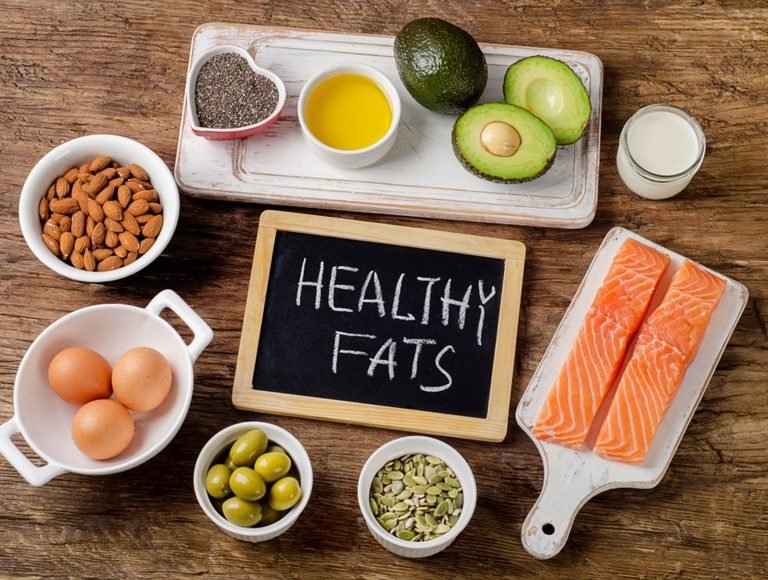
Healthy Fats for Heart and Brain Health
Not all fats are harmful. Healthy fats help the body absorb some vitamins and support normal body functions.
Sources include fish, groundnuts, avocado and vegetable oils. Use these foods in sensible amounts.
Limit foods that contain high amounts of trans fats and saturated fats.
Vitamins and Minerals for Immune Support
Vitamins and minerals help the body function properly. They support the immune system, skin, blood and other body processes.
Eat a variety of fruits and vegetables to get different nutrients. Oranges, pawpaw, carrots, spinach and other leafy vegetables are useful choices.
3. Daily Healthy Eating Habits for Healthy Aging
Eating well does not have to be difficult. A few daily habits can help you maintain a balanced diet.
Eat More Fruits and Vegetables
Fruits and vegetables provide vitamins, minerals, fibre and other useful plant compounds.
Try to include them in your meals every day. Choose different colours to enjoy a wider range of nutrients.
You can eat oranges, bananas, pawpaw, watermelon, carrots, tomatoes and leafy vegetables. Fresh, frozen or properly stored options can all contribute to a healthy diet.
Choose Whole Grains and Fibre-Rich Foods
Whole grains contain more fibre than refined grains. They support digestion and can help you feel full for longer.
Choose options such as oats, brown rice, whole-wheat bread and less refined grains when available.
Beans, peas and vegetables are also good sources of fibre.
Include Protein in Your Meals
Protein is important for maintaining muscle strength. Include foods such as fish, eggs, beans, chicken and milk in your meals.
You can combine different protein sources throughout the week. This helps provide a range of nutrients.
Drink Enough Water
Water supports digestion, circulation and temperature control. It also helps the body carry out many important functions.
Some older adults may feel less thirsty than before. This can increase the risk of dehydration.
Drink water regularly throughout the day. Fruits and soups can also contribute to fluid intake. People with medical conditions that affect fluid needs should follow their health professional’s advice.
Practise Balanced Portion Awareness
Eating a balanced diet also involves paying attention to portion sizes.
Try to include vegetables, protein and a suitable source of carbohydrates in your meals. Avoid making one food group the main part of every meal.
Eat slowly and pay attention to hunger and fullness. Your food needs may change with age, activity and health status.
4. Foods to Limit for Healthy Eating Habits for Healthy Aging
Some foods can affect health when eaten too often or in large amounts. You do not need to avoid every treat. The goal is to make healthier choices most of the time.
Limit Excess Salt
Too much salt can raise blood pressure. High blood pressure increases the risk of heart disease and stroke.
Reduce the amount of salt added during cooking. Also, limit salty snacks, processed meats and foods with high sodium levels.
Use herbs, spices, onions and other natural seasonings to add flavour to meals.
Reduce Added Sugar
Foods and drinks with too much added sugar can increase calorie intake. They may also make blood glucose control more difficult.
Limit sugary drinks, sweets, cakes and frequent sweet snacks. Choose water more often and enjoy whole fruits instead of sugary drinks.
Reduce Highly Processed Foods
Some processed foods contain high amounts of salt, sugar and unhealthy fats. Eating them often may affect long-term health.
Choose fresh or minimally processed foods more often. When buying packaged foods, check the nutrition label where possible.

5. Overcoming Challenges to Healthy Eating Habits for Healthy Aging
Some people find it difficult to maintain a balanced diet. Cost, time and changes in appetite can all affect food choices.
Eating Healthy on a Budget
Healthy eating does not always require expensive foods. Many affordable local foods provide important nutrients.
Beans, eggs, seasonal fruits, vegetables and fish can be part of a balanced diet. Buying food in season may also help reduce costs.
Plan your meals before shopping. This can help you avoid waste and make better use of your money.
Planning Simple and Balanced Meals
A meal plan can make healthy eating easier. It also helps you prepare meals ahead of time.
For example, you can have oats and eggs for breakfast, rice with beans and vegetables for lunch, and a vegetable-based meal with fish for dinner.
You can adjust these meals to suit your budget, preferences and health needs.
Managing Changes in Appetite
Some people experience reduced appetite or changes in taste as they grow older. Dental problems, medication and certain health conditions may also affect eating.
Choose foods that are easy to chew and prepare when needed. Smaller, balanced meals may help people who struggle with large portions.
If appetite loss continues or causes weight changes, speak with a qualified health professional.
6. Building Lasting Healthy Eating Habits for Healthy Aging
Healthy eating is not a short-term activity. It is a habit that should continue throughout life.
Start with Small Changes
You do not need to change your entire diet at once. Begin with one or two simple steps.
For example, add a fruit to breakfast or include vegetables in lunch. You can also replace sugary drinks with water more often.
Small changes are easier to maintain.
Be Consistent with Your Food Choices
Consistency matters more than trying to follow a perfect diet. Make balanced meals part of your daily routine.
Enjoy different foods in sensible amounts. Allow room for your personal preferences while keeping your health needs in mind.
Seek Professional Nutrition Advice When Needed
Nutritional needs differ from person to person. Age, activity level, medical conditions and medication can affect what someone should eat.
A registered dietitian or qualified health professional can provide advice based on individual needs. This is especially important for people managing conditions such as diabetes, high blood pressure or kidney disease.
Conclusion: Make Healthy Eating Habits for Healthy Aging a Priority
Healthy eating supports your body at every stage of life. It helps maintain muscle strength, supports bone health and provides nutrients for normal body functions.
You can begin with simple steps. Eat more fruits and vegetables, choose fibre-rich foods, include protein in your meals and drink enough water. Also, limit excess salt, added sugar and highly processed foods.
Remember that healthy aging does not depend on one meal or one food. It comes from consistent choices over time.
Start with small changes today. Your daily food choices can help support a healthier and more active future.